
Free resource for speech-language pathologists (SLPs)
Winter speech therapy activities: silly scenes, stories and words
Updated
How to use it
Winter versions of Silly Scene Detective and First, Next, Last stories, plus a word list and picture cards, for a speech-language pathologist (SLP) to use with a group or one child. Silly Scene Detective: a snowy park and a cozy living room, each with silly things to spot, a find-it row and a clinician prompt sheet for mixed goals. First, Next, Last stories: getting dressed for the cold, making hot cocoa and sledding, to cut out, put in order and retell, each with an answer key and prompts. Then winter words by target sound, everyday words first, and 12 winter picture cards to describe. It’s winter, not any one holiday: snow, cold, coats and cocoa.
How to print
- Pick the pages. Everything is ticked. Untick what you don’t need, or use a shortcut below.
- Press Print. Each page prints on its own sheet of US letter paper.
- Choose your printer in the print window, or “Save as PDF” to keep a copy.
Each scene and each story is 2 pages: one for the child and one for you. Use its “Print just this” button to print one. Print the scenes in color if you can.
Silly Scene Detective: the snowy park
Look carefully. What’s silly in this picture? Tell your SLP what you see, and why it’s silly.
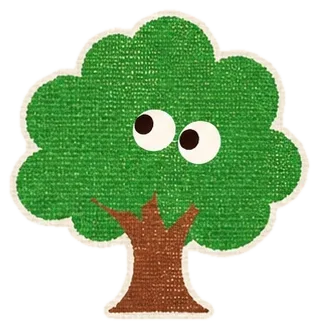
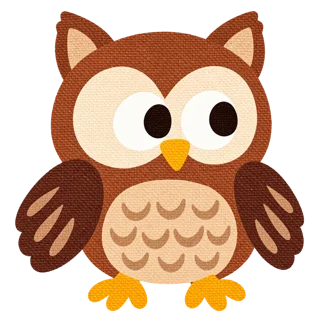
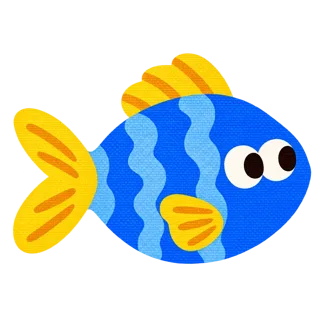
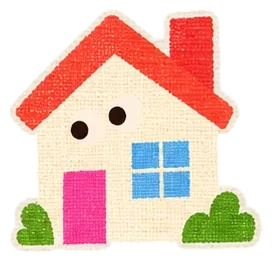
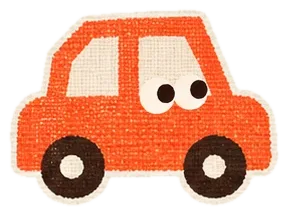
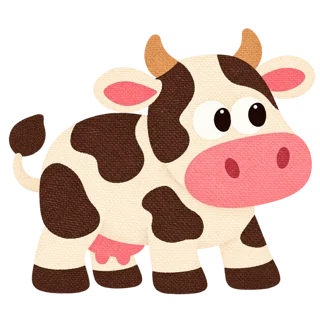
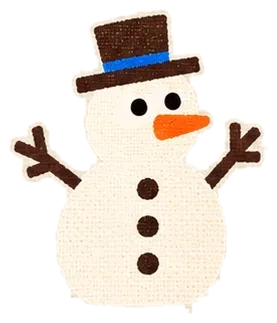
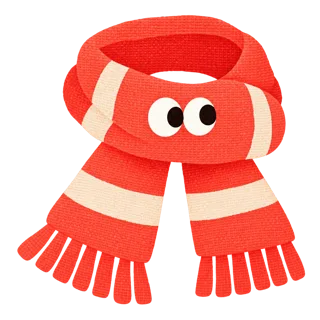
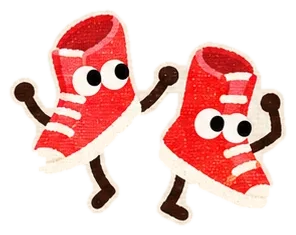
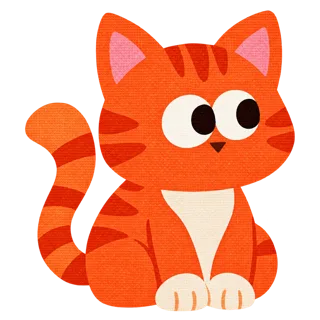
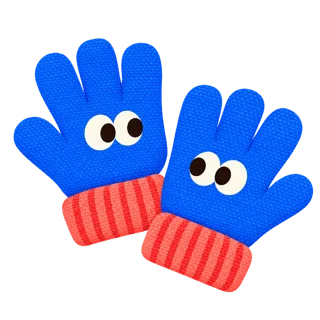
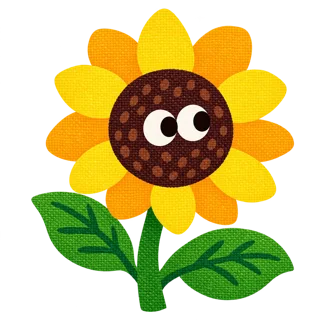
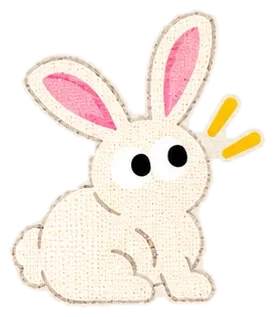
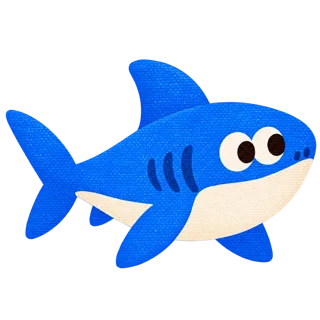
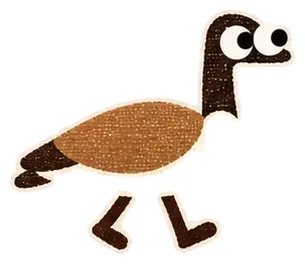
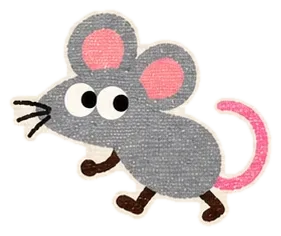
Can you find these? Color the circle when you do.
- owl
- cat
- rabbit
- mouse
- gloves
- scarf
- goose
- rocks
From heysaylo.com/resources/winter-speech-therapy-activities. Free to print and use; please don’t sell.
Clinician prompts: the snowy park
Pick a prompt for each child’s goal. Model the answer if a child needs it, then ask again.
| Goal | Prompts |
|---|---|
| Find and name | “Find the ___.” “What’s this?” “Show me something you wear.” Use the pictures in the find-it row. |
| Where (location words) | “Where is the owl?” “Where is the car?” “Where is the scarf?” “Where is the shark?” “Where is the mouse?” |
| Wh- questions | “Who is riding the sled?” “What is the snowman wearing?” “What do you wear when it’s cold?” “Why can’t the shark swim?” “When does it snow?” |
| What’s silly? (absurdities) | “What’s silly here?” “Why is that silly?” “How would you fix it?” |
| Predicting and feelings | “What might happen next to the cow on the sled?” “What will happen to the snowman when the sun comes out?” “How will the car get down from the roof?” “How does the shark feel on the ice? How do you know?” |
| Sentences with because, and, but | “The shark can’t swim because…” “The car shouldn’t be on the roof because…” “I like snow because…” “Tell me 2 things you wear in the cold, using “and”.” |
| Describing and comparing | “Tell me 3 things about the snowman.” “Name 3 things you wear when it’s cold.” “Which is colder, the pond or the house?” |
- Answers for where: the owl: in the tree; the car: on the roof; the scarf: on the snowman; the shark: on the ice, on the frozen pond; the mouse: next to the snowballs.
- The silly things: A cow is riding a sled down the hill. A car is on the roof of the house. A fish is up in the tree. Fish live in water. A sunflower is growing in the snow. Sunflowers grow in summer. The snowman is wearing shoes. A shark is lying on the frozen pond. Sharks swim in the sea.
- Speech sound words in this scene, by sound, with where the sound is in each word:
- R words: tree (TR blend), car (vocalic AR), scarf (vocalic AR), rabbit (start), shark (vocalic AR)
- S words: house (end), snowman (SN blend), sunflower (start), mouse (end)
- Z words: gloves (end)
- L words: owl (end), gloves (GL blend)
- SH words: fish (end), shark (start)
- K words: car (start), cow (start), cat (start)
- F words: fish (start), scarf (end)
| Child | Goal for this scene | Correct / tries |
|---|---|---|
From heysaylo.com/resources/winter-speech-therapy-activities. Free to print and use; please don’t sell.
Silly Scene Detective: the cozy living room
Look carefully. What’s silly in this picture? Tell your SLP what you see, and why it’s silly.
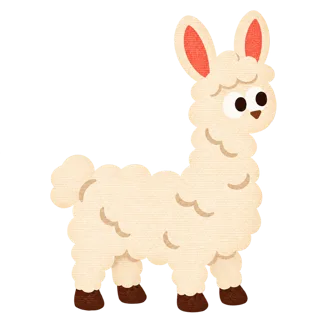

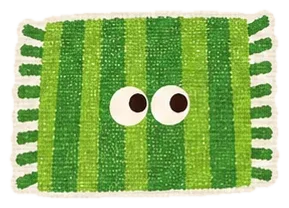
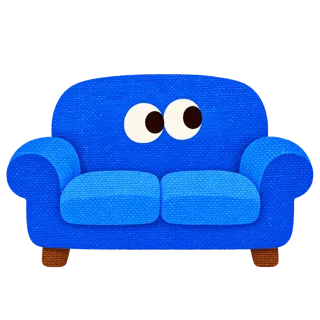
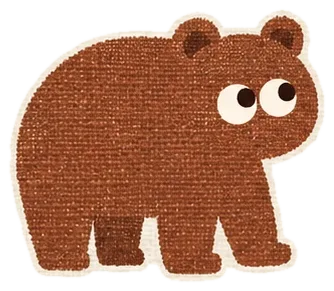
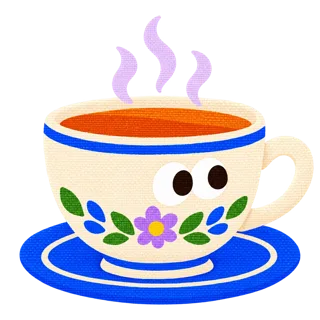
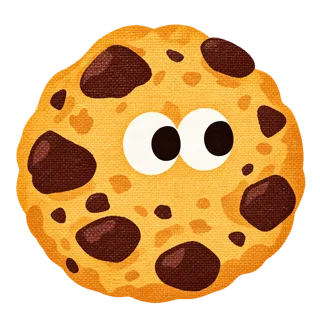
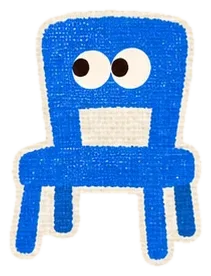
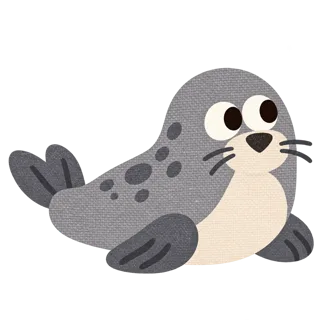

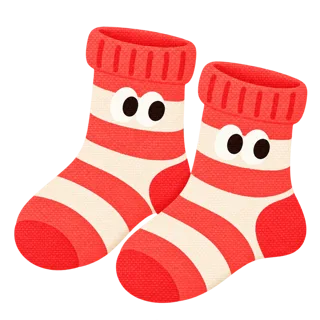
Can you find these? Color the circle when you do.
- cat
- clock
- book
- cookie
- tea
- socks
- gloves
- mouse
From heysaylo.com/resources/winter-speech-therapy-activities. Free to print and use; please don’t sell.
Clinician prompts: the cozy living room
Pick a prompt for each child’s goal. Model the answer if a child needs it, then ask again.
| Goal | Prompts |
|---|---|
| Find and name | “Find the ___.” “What’s this?” “Show me something you can eat.” Use the pictures in the find-it row. |
| Where (location words) | “Where is the bear?” “Where is the clock?” “Where is the cat?” “Where is the mouse?” “Where is the llama?” |
| Wh- questions | “Who is reading a book?” “What is the snowman doing?” “What do you do inside on a cold day?” “Why is the snowman melting?” “Where do you hang your coat?” |
| What’s silly? (absurdities) | “What’s silly here?” “Why is that silly?” “How would you fix it?” |
| Predicting and feelings | “What will happen to the snowman next?” “What do you think the llama wants?” “What might the bear do next?” “How does the snowman feel by the fire? How do you know?” |
| Sentences with because, and, but | “The snowman should go outside because…” “The coat looks silly because…” “I like cold days because…” “Tell me 2 things that keep you warm, using “and”.” |
| Describing and comparing | “Tell me 3 things about the fire.” “Name 3 things you find in a living room.” “Which is warmer, the fire or the window?” |
- Answers for where: the bear: on the couch; the clock: on the shelf above the fire; the cat: on the rug; the mouse: in front of the fireplace; the llama: outside the window.
- The silly things: A snowman is sitting by the fire. It’s melting into a puddle. A bear is sitting on the couch. A seal is sitting on a chair, reading a book. The coat on the wall is upside down. A llama is looking in the window.
- Speech sound words in this scene, by sound, with where the sound is in each word:
- R words: fire (vocalic IRE), bear (vocalic AIR), chair (vocalic AIR)
- S words: seal (start), snowman (SN blend), socks (start), mouse (end)
- Z words: gloves (end)
- L words: llama (start), clock (KL blend), gloves (GL blend)
- CH words: couch (end), chair (start)
- K words: coat (start), clock (end), cookie (start), book (end), cat (start)
- F words: fire (start)
| Child | Goal for this scene | Correct / tries |
|---|---|---|
From heysaylo.com/resources/winter-speech-therapy-activities. Free to print and use; please don’t sell.
First, Next, Last: getting dressed for the cold
Cut out the pictures. Put them in order in the boxes, then tell the story.
How did the cat feel? (optional) Circle one.
- happy
- sad
- worried
- surprised
- mad
Draw a different ending. What else could happen last?
From heysaylo.com/resources/winter-speech-therapy-activities. Free to print and use; please don’t sell.
Story prompts: getting dressed for the cold
The right order, with what each picture shows:
- The cat puts on its coat.
- The cat wraps a scarf around its neck.
- The cat puts on its gloves.
- The cat goes outside. The wind is cold, but the cat is warm.
- Model story: “First, the cat put on its coat. Next, it wrapped a scarf around its neck. Then it put on its gloves. Last, it went outside, and it was warm in the cold wind.”
- Who and where: “Who is in the story?” “Where are they?”
- The problem: There’s no problem: this story tells how to get ready for the cold. Ask “Why do gloves go on last?” (it’s hard to do buttons and a scarf with gloves on) and “What would happen if the cat forgot its coat?”
- What happened: “What did the cat do first?” “What happened next?” “Then what?”
- The ending: “How did the story end?” “What happened last?”
- How did they feel? (optional) “How did the cat feel outside in its warm clothes?” “How do you feel when you’re cold?”
- A different ending: “What else could happen last?” Have the child draw it in the box, then tell the new story.
- Talk more: “What do you wear when it’s cold where you live?” “Tell me how you get ready to go outside, using first, next and last.”
- Story words: coat, scarf, gloves, neck, cold, warm, wind, outside.
From heysaylo.com/resources/winter-speech-therapy-activities. Free to print and use; please don’t sell.
First, Next, Last: making hot cocoa
Cut out the pictures. Put them in order in the boxes, then tell the story.
How did the cat feel? (optional) Circle one.
- happy
- sad
- worried
- surprised
- mad
Draw a different ending. What else could happen last?
From heysaylo.com/resources/winter-speech-therapy-activities. Free to print and use; please don’t sell.
Story prompts: making hot cocoa
The right order, with what each picture shows:
- The cat gets a mug and the cocoa.
- The cat pours warm milk into the mug.
- The cat stirs it with a spoon.
- The cat blows on the cocoa, then drinks it. Mmm!
- Model story: “First, the cat got a mug and the cocoa. Next, it poured warm milk into the mug. Then it stirred it with a spoon. Last, it blew on the cocoa and drank it.”
- Who and where: “Who is in the story?” “Where are they?”
- The problem: There’s no problem: this story tells how to make something. Ask “What do you need to make hot cocoa?” and “Why did the cat blow on it first?”
- What happened: “What did the cat do first?” “What happened next?” “Then what?”
- The ending: “How did the story end?” “What happened last?”
- How did they feel? (optional) “How did the cat feel when it drank the cocoa?” “What do you do when a drink is too hot?”
- A different ending: “What else could happen last?” Have the child draw it in the box, then tell the new story.
- Talk more: “What’s your favorite warm drink or food?” “Tell me how to make something you like, using first, next and last.”
- Story words: mug, cocoa, milk, pour, stir, spoon, warm, hot, drink.
From heysaylo.com/resources/winter-speech-therapy-activities. Free to print and use; please don’t sell.
First, Next, Last: sledding
Cut out the pictures. Put them in order in the boxes, then tell the story.
How did the cat feel? (optional) Circle one.
- happy
- sad
- worried
- surprised
- mad
Draw a different ending. What else could happen last?
From heysaylo.com/resources/winter-speech-therapy-activities. Free to print and use; please don’t sell.
Story prompts: sledding
The right order, with what each picture shows:
- The cat pulls its sled up the hill.
- The cat slides down the hill. Whee!
- The sled hits a rock. The cat falls off into the snow!
- The cat shakes off the snow and gets back on the sled to go again.
- Model story: “First, the cat pulled its sled up the hill. Next, it slid down the hill. Then the sled hit a rock and the cat fell off into the snow. Last, the cat shook off the snow and got back on the sled to go again.”
- Who and where: “Who is in the story?” “Where are they?”
- The problem: The problem: the sled hit a rock and the cat fell off. What the cat did: it shook off the snow and got back up. The ending: it went sledding again.
- What happened: “What did the cat do first?” “What happened next?” “Then what?”
- The ending: “How did the story end?” “What happened last?”
- How did they feel? (optional) “How did the cat feel sliding down the hill?” “How did it feel when it fell off?” “How did it feel at the end?”
- A different ending: “What else could happen last?” Have the child draw it in the box, then tell the new story.
- Talk more: “How could the cat stay on the sled next time?” “Tell me about a time you fell down. What did you do?”
- Story words: sled, hill, pull, slide, fast, rock, fall, snow, again.
From heysaylo.com/resources/winter-speech-therapy-activities. Free to print and use; please don’t sell.
Winter words by target sound
Everyday winter words, most common first. A percentage is the share of 2½-year-olds who say the word (Wordbank); words with no percentage aren’t on that checklist. Each word has the sound in the place the row says; rows with no place (G, Z, SH, CH, F) have it somewhere in each word.
| Target sound | Winter words |
|---|---|
| K (start) | cookie 98%, cup 97%, cold 95%, coat 90%, cocoa |
| K (middle) | blanket 96%, jacket 83% |
| K (end) | sock 90%, snack 88%, snowflake, lake |
| G | go 96%, hug 95% (end), gloves 66% (GL) |
| S (start) | sit 92%, sock 90%, soup 81% |
| S (end) | house 93%, ice 88%, nice 77% |
| S blends | sleep 92%, slide 87%, sweater 81%, snow 80%, snowman 75%, sled 53%, skate 44%, scarf 42% |
| Z | nose 98%, zipper 82%, freeze |
| SH | shoe 98%, push 84%, shovel 78% |
| CH | chocolate 87%, chilly |
| L (start) | little 87%, look 87%, lick 70% |
| L (end) | ball 99%, fall 93%, hill |
| L blends | blanket 96%, blue 91%, gloves 66%, snowflake |
| R (start) | run 93%, red 88%, ride 86%, roll |
| R blends | tree 96%, drink 94%, freeze, frozen |
| Vocalic R | door 96%, bear 95%, zipper 82%, sweater 81%, scarf 42%, warm, winter |
| TH (as in thumb) | thank you 98%, bath 97%, mouth 96%, throw 88%, think 51% |
| F | foot 97%, fall 93%, scarf 42% (end), fire |
- Phrases to try: “a cold nose”, “put on your coat”, “slide down the hill”, “a cup of cocoa”, “snow on my hat”, “a warm blanket”, “throw the snowball”.
- No snow where you live? Coat, sock, sweater, blanket, cup, cocoa, cold and warm work in any climate.
From heysaylo.com/resources/winter-speech-therapy-activities. Free to print and use; please don’t sell.
Winter picture cards: describe it
Cut out the cards. Pick one and answer the questions about it, or keep it secret and give three clues for a partner to guess.
- What is it? What group is it in (clothes, food, animals)?
- What does it look like? Color, size, shape, parts.
- What do you do with it? Where do you find it? When do you use it or see it?
- Why does it make you think of winter?
snowmancoatscarfglovessocks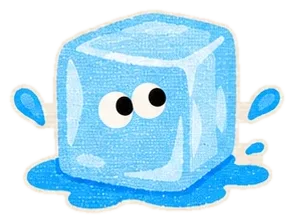 icefirehouse
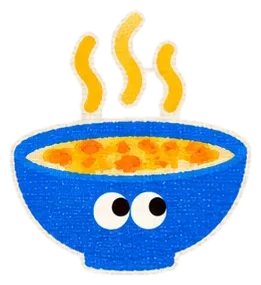 soupteacookiebear
From heysaylo.com/resources/winter-speech-therapy-activities. Free to print and use; please don’t sell.
Not every child has snow
Plenty of children live where it never snows, and some have never seen it. The living room scene, getting dressed for the cold and making hot cocoa need no snow, so start there, and use the snowy park and sledding as a “what would it be like?” story. Ask what winter is like where the child lives: rain, wind, a cool morning or no change at all are all fine answers.
- Cold-weather words work anywhere: coat, sweater, blanket, socks, cup, warm and cold.
- Winter is weather, not a holiday. Nothing here is tied to a religious holiday. ASHA’s guidance on cultural responsiveness asks clinicians not to make assumptions about individuals or families based on general cultural information, and to check that materials are appropriate and culturally sensitive (ASHA).
How to run the scenes
- Go round the group. Each child gets a prompt from the row for their goal, so everyone talks about the same picture.
- Find and name first. Use the find-it row: point, name, then color the circle.
- What’s silly, and why? Explaining why a cow can’t ride a sled, or why a snowman can’t sit by the fire, takes the child from naming to reasoning.
- Speech sounds. Use the sound words on the prompt sheet, or the winter word list: the child finds the picture and says the word a few times.
How to run the stories
- Talk about each picture first, then cut them out. The pictures print mixed up.
- Put them in order in the First, Next, Then and Last boxes, and tell the story. If one is out of place, ask “What has to happen before that?”
- Problem, actions, ending. Sledding is the problem story: the sled hits a rock and the cat falls off. The other two tell how to do something.
- Make it easier with two pictures, first and last, or harder by retelling without the pictures or drawing a new ending.
More winter and seasonal printables
The original Silly Scene Detective has a kitchen, a playground and a classroom, and the original First, Next, Last stories include building a snowman. For winter activity ideas and words for more holidays and seasons, see holiday speech therapy activities. To describe the picture cards in more depth, use the describing organizer. For more everyday words by sound, see the high-frequency S, K and R word lists. For February, the Valentine’s Day speech therapy activities have a silly class party scene, friendship stories and kindness talk cards.
Common questions
What are some winter speech therapy activities?
A silly winter scene to talk about, First, Next, Last stories such as making hot cocoa or sledding, a winter word list by target sound, and picture cards to describe. All of them are free to print on this page.
What if my students don’t have snow?
Use the living room scene and the stories about getting dressed for the cold and making hot cocoa, which need no snow. Ask what winter is like where the child lives, and use cold-weather words such as coat, blanket and warm.
Is this a Christmas or holiday activity?
No. It’s about winter weather: snow, cold, warm clothes, cocoa and sledding, so it suits children whether or not they celebrate any winter holiday.
What ages are the activities for?
The scenes and stories suit preschool and early elementary children. Make them easier with choices and fewer pictures, or harder by telling the whole story without the pictures.
Request a resource or send feedback
Want another version of this, or something new? Spotted a mistake? Tell us.
Sources
- Frank, M. C., Braginsky, M., Yurovsky, D., & Marchman, V. A. (2017). Wordbank: An open repository for developmental vocabulary data. Journal of Child Language, 44(3), 677–694.
- Frank, M. C., Braginsky, M., Yurovsky, D., & Marchman, V. A. (2021). Variability and consistency in early language learning: The Wordbank project. MIT Press.
- ASHA Practice Portal: Cultural responsiveness.