Free resource for speech-language pathologists (SLPs)
Valentine’s Day speech therapy activities: friendship scenes, stories and words
Updated
How to use it
Valentine’s versions of Silly Scene Detective and First, Next, Last stories, plus words, talk cards and a card to make, for a speech-language pathologist (SLP) to use with a group or one child. Silly Scene Detective: a class party with silly things to spot, a find-it row and a clinician prompt sheet for mixed goals. First, Next, Last stories: making a card for a friend, baking heart cookies and a card for everyone, to cut out, put in order and retell, each with an answer key and prompts. Then Valentine’s words by target sound, everyday words first, 12 friendship and kindness talk cards, and a card to make for a friend. It’s about friendship and kindness, not romance.
How to print
- Pick the pages. Everything is ticked. Untick what you don’t need, or use a shortcut below.
- Press Print. Each page prints on its own sheet of US letter paper.
- Choose your printer in the print window, or “Save as PDF” to keep a copy.
The scene and each story are 2 pages: one for the child and one for you. Use its “Print just this” button to print one. Print the scene in color if you can.
Silly Scene Detective: the class party
Look carefully. What’s silly in this picture? Tell your SLP what you see, and why it’s silly.
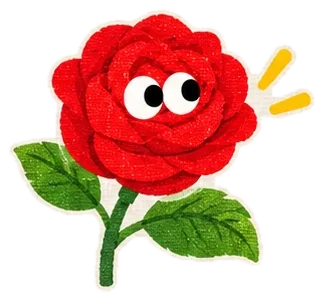



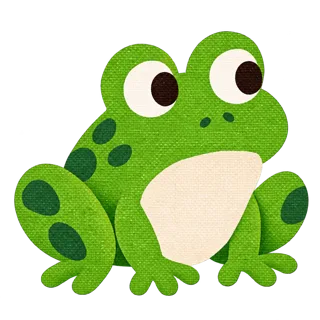
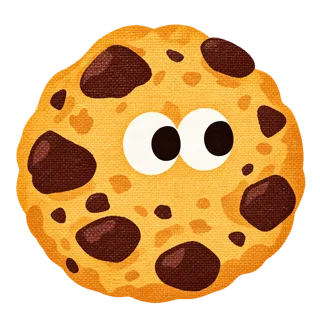

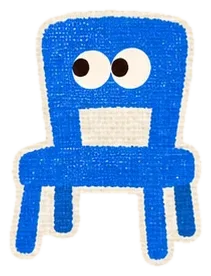
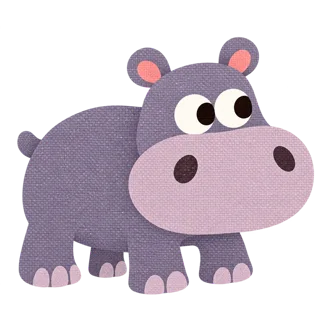
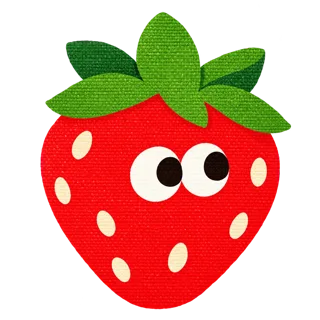
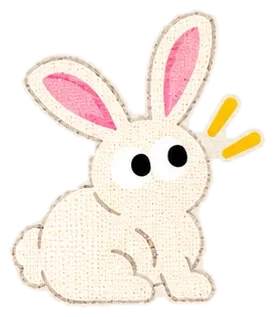
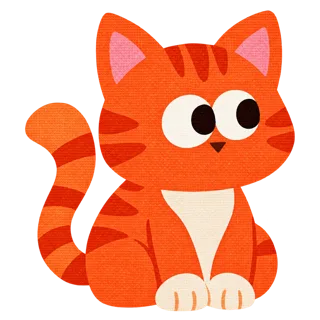
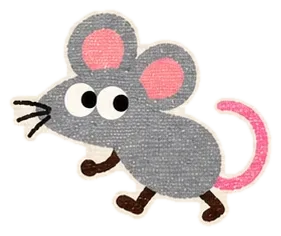



Can you find these? Color the circle when you do.
- cat
- mouse
- cupcake
- cookie
- crayon
- rose
- book
- pencil
From heysaylo.com/resources/valentines-day-speech-therapy-activities. Free to print and use; please don’t sell.
Clinician prompts: the class party
Pick a prompt for each child’s goal. Model the answer if a child needs it, then ask again.
| Goal | Prompts |
|---|---|
| Find and name | “Find the ___.” “What’s this?” “Show me something you can draw with.” Use the pictures in the find-it row. |
| Where (location words) | “Where is the frog?” “Where is the rose?” “Where is the shoe?” “Where is the mouse?” “Where is the sloth?” |
| Wh- questions | “Who is handing out the cards?” “What is the rabbit putting in the card box?” “What does the board say?” “Why can’t a shark live in a punch bowl?” “Who would you make a card for?” |
| What’s silly? (absurdities) | “What’s silly here?” “Why is that silly?” “How would you fix it?” |
| Predicting and feelings | “What will the octopus do with all those cards?” “What might happen to the little chair?” “How could the class get the shoe out of the card box?” “How does the frog feel on the cupcake? How do you know?” |
| Sentences with because, and, but | “The shark shouldn’t be in the bowl because…” “I would give a card to ___ because…” “The hippo needs a big chair because…” “Tell me 2 things you see at the party, using “and”.” |
| Describing and comparing | “Tell me 3 things about the cupcake.” “Name 3 things you can eat at a party.” “Which is bigger, the strawberry or the mouse?” |
- Answers for where: the frog: on the cupcake; the rose: on the windowsill; the shoe: going into the card box; the mouse: under the table; the sloth: hanging from the paper hearts.
- The silly things: An octopus is handing out cards with all its arms. A hippo is sitting on a little chair. It’s much too big. A shark is jumping out of the punch bowl. Sharks swim in the sea. A frog is sitting on a cupcake. A strawberry as big as a chair is sitting at the table. A rabbit is posting a shoe in the card box. A sloth is hanging from the paper hearts.
- Speech sound words in this scene, by sound, with where the sound is in each word:
- R words: rose (start), frog (FR blend), shark (vocalic AR), chair (vocalic AIR), strawberry (blend), rabbit (start)
- S words: sloth (SL blend), octopus (end), hippopotamus (end), mouse (end)
- Z words: rose (end)
- L words: sloth (SL blend), pencil (end)
- SH words: shark (start), shoe (start)
- CH words: chair (start)
- TH words: sloth (end)
- K words: cupcake (start), cookie (start), cat (start), book (end)
- G words: frog (end)
| Child | Goal for this scene | Correct / tries |
|---|---|---|
From heysaylo.com/resources/valentines-day-speech-therapy-activities. Free to print and use; please don’t sell.
First, Next, Last: making a card for a friend
Cut out the pictures. Put them in order in the boxes, then tell the story.
How did the cat feel? (optional) Circle one.
- happy
- sad
- worried
- surprised
- mad
Draw a different ending. What else could happen last?
From heysaylo.com/resources/valentines-day-speech-therapy-activities. Free to print and use; please don’t sell.
Story prompts: making a card for a friend
The right order, with what each picture shows:
- The cat gets paper and crayons.
- The cat folds the paper and draws a big red heart.
- The cat writes its friend’s name inside.
- The cat gives the card to its friend, the rabbit.
- Model story: “First, the cat got paper and crayons. Next, it folded the paper and drew a big red heart. Then it wrote its friend’s name inside. Last, it gave the card to its friend, the rabbit.”
- Who and where: “Who is in the story?” “Where are they?”
- The problem: There’s no problem: this story tells how to make something. Ask “What do you need to make a card?” and “What could the cat write inside?”
- What happened: “What did the cat do first?” “What happened next?” “Then what?”
- The ending: “How did the story end?” “What happened last?”
- How did they feel? (optional) “How did the rabbit feel when it got the card?” “How do you feel when someone is kind to you?”
- A different ending: “What else could happen last?” Have the child draw it in the box, then tell the new story.
- Talk more: “Who would you make a card for? What would you draw?” “Tell me how to make a card, using first, next and last.”
- Story words: paper, crayon, fold, heart, red, write, name, card, friend, give.
From heysaylo.com/resources/valentines-day-speech-therapy-activities. Free to print and use; please don’t sell.
First, Next, Last: baking heart cookies
Cut out the pictures. Put them in order in the boxes, then tell the story.

How did the cat feel? (optional) Circle one.
- happy
- sad
- worried
- surprised
- mad
Draw a different ending. What else could happen last?
From heysaylo.com/resources/valentines-day-speech-therapy-activities. Free to print and use; please don’t sell.
Story prompts: baking heart cookies
The right order, with what each picture shows:
- The cat mixes the cookie dough in a bowl.
- The cat rolls out the dough and cuts out hearts.
- The cookies bake in the hot oven.
- The cat shares the cookies with its friends.
- Model story: “First, the cat mixed the cookie dough in a bowl. Next, it rolled out the dough and cut out hearts. Then the cookies baked in the hot oven. Last, the cat shared the cookies with its friends.”
- Who and where: “Who is in the story?” “Where are they?”
- The problem: There’s no problem: this story tells how to make something. Ask “What did the cat use to cut out the hearts?” and “Why do you wait before you eat them?”
- What happened: “What did the cat do first?” “What happened next?” “Then what?”
- The ending: “How did the story end?” “What happened last?”
- How did they feel? (optional) “How did the friends feel when the cat shared?” “How do you feel when you share something?”
- A different ending: “What else could happen last?” Have the child draw it in the box, then tell the new story.
- Talk more: “What shape would you make your cookies?” “Tell me about a time you shared something.”
- Story words: mix, bowl, spoon, dough, roll, cut, heart, oven, hot, share.
From heysaylo.com/resources/valentines-day-speech-therapy-activities. Free to print and use; please don’t sell.
First, Next, Last: a card for everyone
Cut out the pictures. Put them in order in the boxes, then tell the story.
How did the cat feel? (optional) Circle one.
- happy
- sad
- worried
- surprised
- mad
Draw a different ending. What else could happen last?
From heysaylo.com/resources/valentines-day-speech-therapy-activities. Free to print and use; please don’t sell.
Story prompts: a card for everyone
The right order, with what each picture shows:
- The class puts cards in the card box.
- Everyone gets cards, but the frog’s bag is empty.
- The cat sees and makes a card for the frog.
- The cat gives the frog the card. Now the frog has one too.
- Model story: “First, the class put cards in the card box. Next, everyone got cards, but the frog’s bag was empty. Then the cat saw and made a card for the frog. Last, the cat gave the frog the card, and now the frog had one too.”
- Who and where: “Who is in the story?” “Where are they?”
- The problem: The problem: the frog didn’t get any cards. What the cat did: it noticed and made one. The ending: the frog got a card too.
- What happened: “What did the cat do first?” “What happened next?” “Then what?”
- The ending: “How did the story end?” “What happened last?”
- How did they feel? (optional) “How did the frog feel when its bag was empty?” “How did the frog feel at the end?” “What could you say to the frog?”
- A different ending: “What else could happen last?” Have the child draw it in the box, then tell the new story.
- Talk more: “What could you do if a friend was left out?” “Tell me about a time someone was kind to you.”
- Story words: card, box, bag, empty, everyone, frog, make, give, kind, too.
From heysaylo.com/resources/valentines-day-speech-therapy-activities. Free to print and use; please don’t sell.
Valentine’s words by target sound
Everyday friendship and party words, most common first. A percentage is the share of 2½-year-olds who say the word (Wordbank); words with no percentage aren’t on that checklist. Each word has the sound in the place the row says; rows with no place (G, Z, SH, CH, F) have it somewhere in each word.
| Target sound | Valentine’s words |
|---|---|
| K (start) | cookie 98%, cake 93%, candy 93%, cut 77%, card, kind |
| K (middle) | cookie 98%, picture 89%, chocolate 87%, sticker |
| K (end) | cake 93%, like 86%, make 79% |
| G | hug 95% (end), good 88%, game 82%, give 79%, glue 59% (GL), gift |
| S (start) | sing 88%, send, sorry |
| S (end) | yes 99%, juice 98%, nice 77% |
| S blends | spoon 96%, school 91%, star 91%, strawberry 86%, sticky 79%, smile 73%, sticker, sweet |
| Z | please 98%, present 85%, scissors 82%, rose |
| SH | share 79%, wish 37% (end), shape |
| CH | picture 89%, chocolate 87%, teacher 65%, cherry |
| L (start) | love 90%, like 86%, lollipop 65%, letter |
| L (end) | bowl 95%, smile 73%, mail |
| L blends | please 98%, flower 97%, play 95%, glue 59%, glitter |
| R (start) | read 92%, red 88%, write 71%, rose, ribbon |
| R blends | crayon 94%, strawberry 86%, draw 83%, pretty 82%, friend 78% |
| Vocalic R | flower 97%, paper 92%, picture 89%, share 79%, party 77%, card, heart |
| TH (as in thumb) | thank you 98%, think 51%, thoughtful |
| F | flower 97% (FL), friend 78% (FR), fun, gift, laugh (end) |
- Phrases to try: “I love it!”, “a card for you”, “a big red heart”, “thank you”, “I like your picture”, “share the cookies”, “will you play with me?”
- Not celebrating Valentine’s Day? Friend, share, hug, help, kind, nice, thank you and please work any day of the year.
From heysaylo.com/resources/valentines-day-speech-therapy-activities. Free to print and use; please don’t sell.
Friendship and kindness talk cards
Cut out the cards. Pick one, say it to a friend (or a puppet), then finish the sentence your own way. Swap: what does your friend say back?
From heysaylo.com/resources/valentines-day-speech-therapy-activities. Free to print and use; please don’t sell.
Make a card for a friend
Cut out a card. Color the heart, then finish the sentences with your SLP’s help: say each one out loud before you write or draw it.
Color it in, or draw your friend.
To:
I like you because…
Will you play with me? yesno
From:
Color it in, or draw your friend.
To:
Thank you for…
You are good at…
From:
From heysaylo.com/resources/valentines-day-speech-therapy-activities. Free to print and use; please don’t sell.
Friendship, not romance
Some families and schools don’t celebrate Valentine’s Day, so everything here is about friends, kindness and sharing. The story “A card for everyone” and the talk cards have no holiday in them and work any time of year; the class party scene works for any class party.
- Ask first. Check what the school does and what each family prefers, and offer the friendship sheets instead of the party ones where that fits better.
- No real food needed. Baking heart cookies is a story to retell, not a recipe, so no one is left out over food rules or allergies.
- Keep it inclusive. ASHA’s guidance on cultural responsiveness asks clinicians not to make assumptions about individuals or families based on general cultural information, and to check that materials are appropriate and culturally sensitive (ASHA).
How to run the scene
- Go round the group. Each child gets a prompt from the row for their goal, so everyone talks about the same picture.
- Find and name first. Use the find-it row: point, name, then color the circle.
- What’s silly, and why? Explaining why a hippo can’t sit on a little chair, or why a shark can’t live in a punch bowl, takes the child from naming to reasoning.
- Speech sounds. Use the sound words on the prompt sheet, or the Valentine’s word list: the child finds the picture and says the word a few times.
How to run the stories
- Talk about each picture first, then cut them out. The pictures print mixed up.
- Put them in order in the First, Next, Then and Last boxes, and tell the story. If one is out of place, ask “What has to happen before that?”
- Problem, actions, ending. “A card for everyone” is the problem story: the frog’s bag is empty, and the cat notices and makes a card. It’s a good start for talking about how someone feels and what you could do. The other two tell how to make something.
- Make it easier with two pictures, first and last, or harder by retelling without the pictures or drawing a new ending.
Using the talk cards for social communication
- Say it, then answer it. One child reads or repeats a card to a partner, a puppet or you, and the partner answers. Swap roles.
- Finish the sentence. Cards like “I like you because…” and “Thank you for…” need an ending: help the child add a real reason, such as “because you share your blocks”.
- Pick the right card. Describe a moment (“Your friend dropped all their crayons”) and ask which card fits. Here, “Can I help you?”
- Any way of saying it counts. Signing, typing or using an AAC device to say the card is just as good.
- Then make a card. Use the card to make for a friend to practice the same sentences out loud before writing or drawing them.
More seasonal and friendship printables
The original Silly Scene Detective has a kitchen, a playground and a classroom, and the original First, Next, Last stories have five more stories. For snow and cold-weather versions, see winter speech therapy activities, and for Valentine’s activity ideas and words for more holidays and seasons, see holiday speech therapy activities. For more social communication practice, try the conversation starter cards, social skills scenarios and emotions flash cards.
Common questions
What are some Valentine’s Day speech therapy activities?
A silly class party scene to talk about, First, Next, Last stories such as making a card for a friend or baking heart cookies, a word list by target sound, and friendship talk cards. All of them are free to print on this page.
What if my school doesn’t celebrate Valentine’s Day?
Use the story “A card for everyone”, the talk cards and the card to make, which are about friendship and kindness and have no holiday in them. The word list’s friendship words, such as friend, share, help and thank you, work any day.
Are these activities romantic?
No. They’re about friends, kindness, cards, sharing and a class party, so they suit preschool and elementary classrooms.
What ages are the activities for?
The scene and stories suit preschool and early elementary children. Make them easier with choices and fewer pictures, or harder by telling the whole story without the pictures. The talk cards also suit older children working on social communication.
Request a resource or send feedback
Want another version of this, or something new? Spotted a mistake? Tell us.
Sources
- Frank, M. C., Braginsky, M., Yurovsky, D., & Marchman, V. A. (2017). Wordbank: An open repository for developmental vocabulary data. Journal of Child Language, 44(3), 677–694.
- Frank, M. C., Braginsky, M., Yurovsky, D., & Marchman, V. A. (2021). Variability and consistency in early language learning: The Wordbank project. MIT Press.
- ASHA Practice Portal: Cultural responsiveness.