
Free resource for speech-language pathologists (SLPs)
First, Next, Last Stories: picture sequencing for speech therapy
Updated
How to use it
Five short picture stories starring a cat: making a sandwich, losing a toy, planting a seed, getting ready for school and building a snowman. Four have four pictures and one has three. The child cuts out the pictures, which print mixed up, glues or places them in the First, Next, Then and Last boxes, and tells the story. Each story has an optional “How did the cat feel?” row and a box to draw a different ending. The SLP sheet after each story shows the right order, a model story, and prompts for who and where, the problem, what happened, the ending and feelings. A story map at the end works with any story.
How to print
- Pick the pages. Everything is ticked. Untick what you don’t need, or use a shortcut below.
- Press Print. Each page prints on its own sheet of US letter paper.
- Choose your printer in the print window, or “Save as PDF” to keep a copy.
Each story is 2 pages: pictures for the child to cut out and put in order, and an answer key with prompts for you. To print one story, use its “Print just this” button.
First, Next, Last: making a sandwich
Cut out the pictures. Put them in order in the boxes, then tell the story.
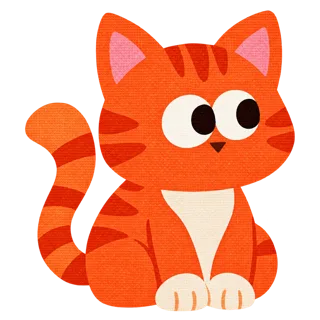
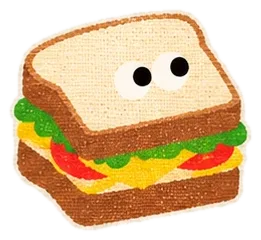
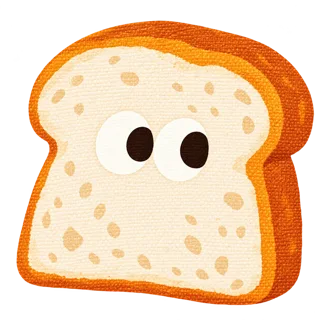
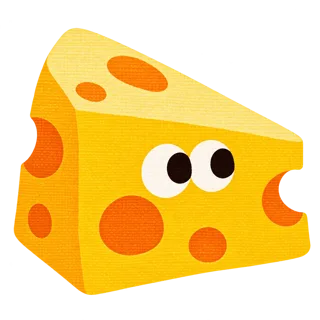
How did the cat feel? (optional) Circle one.
- happy
- sad
- worried
- surprised
- mad
Draw a different ending. What else could happen last?
From heysaylo.com/resources/first-next-last-stories. Free to print and use; please don’t sell.
Story prompts: making a sandwich
The right order, with what each picture shows:
- The cat gets two slices of bread.
- The cat puts cheese on the bread.
- The cat puts the other slice on top. It’s a sandwich!
- The cat eats the sandwich. Yum!
- Model story: “First, the cat got two slices of bread. Next, the cat put cheese on the bread. Then the cat put the other slice on top. Last, the cat ate the sandwich.”
- Who and where: “Who is in the story?” “Where are they?”
- The problem: There’s no problem: this story tells how to do something. Ask “What do you need to make a sandwich?” and “What would happen if you skipped a step?”
- What happened: “What did the cat do first?” “What happened next?” “Then what?”
- The ending: “How did the story end?” “What happened last?”
- How did they feel? (optional) “How did the cat feel when it ate the sandwich?” “How do you feel when you’re hungry?”
- A different ending: “What else could happen last?” Have the child draw it in the box, then tell the new story.
- Talk more: “What would you put in your sandwich?” “Tell me how to make your favorite snack, using first, next and last.”
- Story words: bread, cheese, slice, sandwich, on top, hungry.
From heysaylo.com/resources/first-next-last-stories. Free to print and use; please don’t sell.
First, Next, Last: losing a toy
Cut out the pictures. Put them in order in the boxes, then tell the story.
How did the cat feel? (optional) Circle one.
- happy
- sad
- worried
- surprised
- mad
Draw a different ending. What else could happen last?
From heysaylo.com/resources/first-next-last-stories. Free to print and use; please don’t sell.
Story prompts: losing a toy
The right order, with what each picture shows:
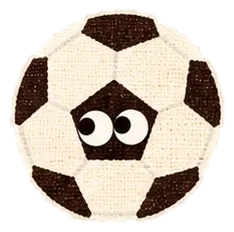
- The cat plays with a ball.
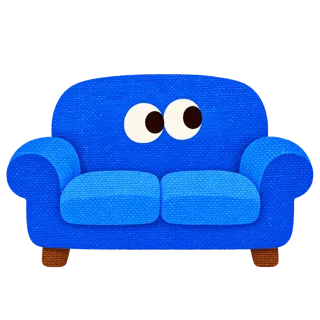
- The ball rolls under the couch.
- The cat can’t find the ball. It looks everywhere.
- The cat finds the ball under the couch and plays again.
- Model story: “First, the cat was playing with a ball. Next, the ball rolled under the couch. Then the cat couldn’t find it, so it looked everywhere. Last, the cat found the ball under the couch and played again.”
- Who and where: “Who is in the story?” “Where are they?”
- The problem: The problem: the ball rolled away and the cat couldn’t find it. What the cat did: it looked everywhere. The ending: it found the ball under the couch.
- What happened: “What did the cat do first?” “What happened next?” “Then what?”
- The ending: “How did the story end?” “What happened last?”
- How did they feel? (optional) “How did the cat feel when the ball was lost?” “How did it feel when it found the ball?” “What do you do when you lose something?”
- A different ending: “What else could happen last?” Have the child draw it in the box, then tell the new story.
- Talk more: “Where else could the cat look?” “Tell me about a time you lost something. What happened?”
- Story words: ball, couch, under, roll, lost, found, look.
From heysaylo.com/resources/first-next-last-stories. Free to print and use; please don’t sell.
First, Next, Last: planting a seed
Cut out the pictures. Put them in order in the boxes, then tell the story.
How did the cat feel? (optional) Circle one.
- happy
- sad
- worried
- surprised
- mad
Draw a different ending. What else could happen last?
From heysaylo.com/resources/first-next-last-stories. Free to print and use; please don’t sell.
Story prompts: planting a seed
The right order, with what each picture shows:
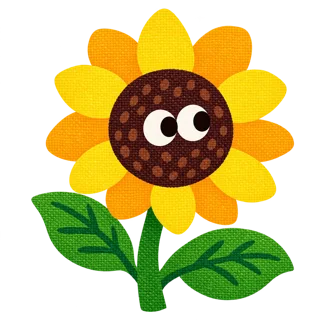
- The cat plants seeds in the dirt.
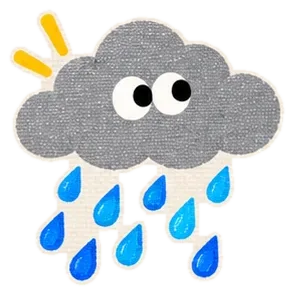
- Rain waters the seeds.
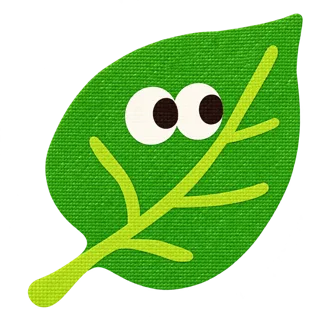
- A little sprout grows.
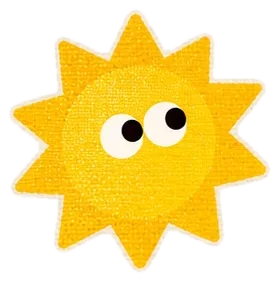
- A big sunflower grows. The cat is happy.
- Model story: “First, the cat planted seeds in the dirt. Next, the rain watered the seeds. Then a little sprout grew. Last, a big sunflower grew.”
- Who and where: “Who is in the story?” “Where are they?”
- The problem: There’s no problem: this story shows how something grows. Ask “What does a seed need to grow?” and “What would happen with no rain?”
- What happened: “What did the cat do first?” “What happened next?” “Then what?”
- The ending: “How did the story end?” “What happened last?”
- How did they feel? (optional) “How did the cat feel when the sunflower grew?” “How long do you think it took to grow?”
- A different ending: “What else could happen last?” Have the child draw it in the box, then tell the new story.
- Talk more: “What would you like to grow?” “Tell me how a seed grows, using first, next, then and last.”
- Story words: seed, dirt, rain, sprout, sun, grow, sunflower.
From heysaylo.com/resources/first-next-last-stories. Free to print and use; please don’t sell.
First, Next, Last: getting ready for school
Cut out the pictures. Put them in order in the boxes, then tell the story.
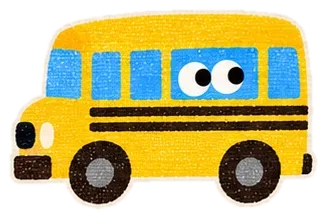
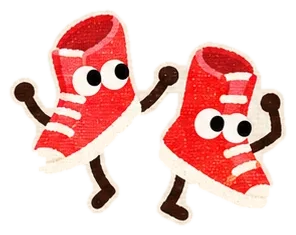
How did the cat feel? (optional) Circle one.
- happy
- sad
- worried
- surprised
- mad
Draw a different ending. What else could happen last?
From heysaylo.com/resources/first-next-last-stories. Free to print and use; please don’t sell.
Story prompts: getting ready for school
The right order, with what each picture shows:
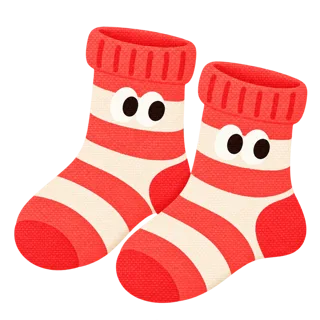
- The cat puts on socks.
- The cat puts on shoes.
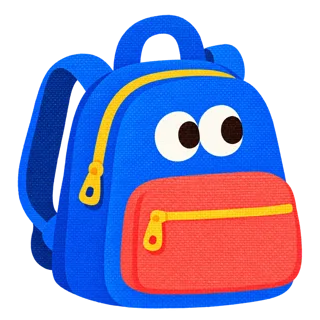
- The cat gets its backpack.
- The cat gets on the school bus.
- Model story: “First, the cat put on its socks. Next, it put on its shoes. Then it got its backpack. Last, it got on the school bus.”
- Who and where: “Who is in the story?” “Where are they?”
- The problem: There’s no problem in the pictures. Make one up together: “What if the cat couldn’t find its shoes?” and “What could it do?”
- What happened: “What did the cat do first?” “What happened next?” “Then what?”
- The ending: “How did the story end?” “What happened last?”
- How did they feel? (optional) “How does the cat feel about going to school?” “How do you feel in the morning before school?”
- A different ending: “What else could happen last?” Have the child draw it in the box, then tell the new story.
- Talk more: “What do you do to get ready in the morning?” “Why do socks go on before shoes?”
- Story words: socks, shoes, backpack, bus, school, morning.
From heysaylo.com/resources/first-next-last-stories. Free to print and use; please don’t sell.
First, Next, Last: building a snowman
Cut out the pictures. Put them in order in the boxes, then tell the story.
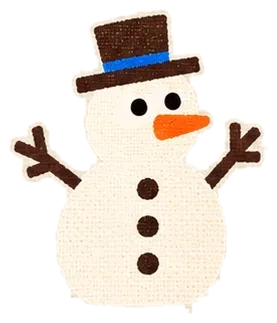
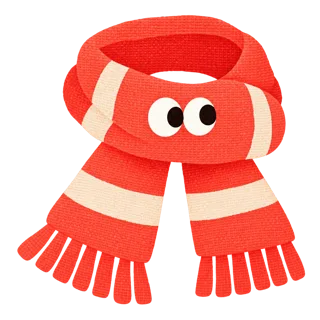
How did the cat feel? (optional) Circle one.
- happy
- sad
- worried
- surprised
- mad
Draw a different ending. What else could happen last?
From heysaylo.com/resources/first-next-last-stories. Free to print and use; please don’t sell.
Story prompts: building a snowman
The right order, with what each picture shows:
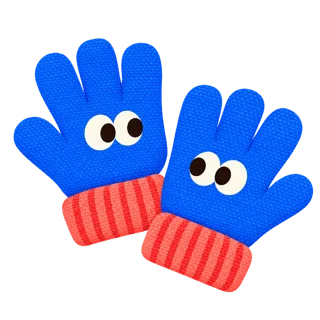
- It snows, so the cat puts on a scarf and gloves.
- The cat builds a snowman.
- The sun comes out and the snowman melts.
- Model story: “First, it snowed, so the cat put on a scarf and gloves. Next, the cat built a snowman. Last, the sun came out and the snowman melted.”
- Who and where: “Who is in the story?” “Where are they?”
- The problem: The problem comes at the end: the snowman melted. Ask “Why did it melt?” and “How could the cat keep its snowman?”
- What happened: “What did the cat do first?” “What happened next?” “Then what?”
- The ending: “How did the story end?” “What happened last?”
- How did they feel? (optional) “How did the cat feel when the snowman melted?” “How did it feel when it built the snowman?”
- A different ending: “What else could happen last?” Have the child draw it in the box, then tell the new story.
- Talk more: “What would you build in the snow?” “Tell me what you wear when it’s cold.”
- Story words: snow, scarf, gloves, snowman, sun, melt, cold.
From heysaylo.com/resources/first-next-last-stories. Free to print and use; please don’t sell.
Story map: tell any story
Use with any of these stories, or a book you’ve read together. Point to each box as the child tells that part.
From heysaylo.com/resources/first-next-last-stories. Free to print and use; please don’t sell.
How to run it
- Talk about each picture first. Name what’s in it before cutting, so the child has the words.
- Put them in order. The child places the pictures in the boxes. If one is out of place, ask “What has to happen before that?”
- Tell the story. Point to each box as the child uses first, next, then and last. Expand what they say by adding a word or two.
- Problem, actions, ending. For the two problem stories (losing a toy and building a snowman), ask what went wrong, what the cat did, and how it ended.
- Feelings (optional). Ask how the cat felt at different points, and circle a face. Ask why.
- A different ending. The child draws a new last picture, then retells the story with it.
Making it easier or harder
- Easier: start with two pictures (first and last), give the first one, or offer a choice: “Does the ball roll away before or after the cat finds it?”
- Harder: tell the story without the pictures, add a sentence about why something happened, or use the story map to tell a new story.
- Group play: give each child one picture to describe, then the group puts the story in order together.
More sequencing printables
For more everyday routines in 3 and 4 steps, with captions, see the free sequencing cards. For retelling longer stories, the story retell checklist helps you note which parts a child includes. For winter stories about getting dressed for the cold, making hot cocoa and sledding, see winter speech therapy activities.
Common questions
What are First, Next, Last stories?
Short picture stories that a child puts in order and retells with first, next, then and last. These five star a cat and cover everyday events: making a sandwich, losing a toy, planting a seed, getting ready for school and building a snowman.
How do I use them in speech therapy?
The child cuts out the pictures, puts them in order, and tells the story. Use the prompt sheet to ask about who and where, the problem, what happened and the ending, then the optional feelings question and a different ending.
What ages are they for?
The three-picture snowman story suits younger preschoolers, and the four-picture stories suit preschool and early elementary children. Make it easier with fewer pictures, or harder by retelling without them.
Can I use them without cutting?
Yes. Have the child point to the pictures in order, or number them, then tell the story. Slipping the page into a sheet protector lets you reuse it with a dry-erase marker.
Request a resource or send feedback
Want another version of this, or something new? Spotted a mistake? Tell us.