
Free resource for speech-language pathologists (SLPs)
Describing activities: free printable describing organizer and picture cards
Updated
How to use it
Six pages for teaching a child to describe things. Page 1 is a describing organizer: six cue boxes, each with a simple icon (group, what it does, what it looks like, parts, where you find it, and what else you know), a space for the picture and lines to write or draw. Pages 2 and 3 are 24 picture cards in six groups to describe. Page 4 is a describe-and-guess game: the child gives three clues and a partner guesses, with 10 riddles to read aloud first. Page 5 compares two things, same and different. The last page is for the speech-language pathologist (SLP), with levels from finding the thing you describe to describing without the organizer, a cueing ladder and a data table. Everything prints in black and white.
How to print
- Pick the pages. Everything is ticked. Untick what you don’t need, or use a shortcut below.
- Press Print. Each page prints on its own sheet of US letter paper.
- Choose your printer in the print window, or “Save as PDF” to keep a copy.
Print the organizer once and slip it into a sheet protector to reuse with a dry-erase marker. Print the picture cards on card stock if you can. Use Only pages for the child to leave out the SLP page.
Describe it!
Name: ____________________ Date: ______________
Put a picture card or a real thing in the box. Go through the cue boxes and say something for each one. Then say it all together.
What is it? It’s a…
Say it all together. Use three or more boxes.
What group is it in?
animal · food · vehicle · clothes · toy
What does it do? What do you do with it?
It can… · You use it to…
What does it look like?
size · color · shape
What parts does it have?
It has…
Where do you find it?
You find it in… · at… · on…
What else do you know?
how it feels, sounds, smells or tastes
From heysaylo.com/resources/describing-activities-speech-therapy. Free to print and use; please don’t sell.
Picture cards: animals, food and vehicles
Cut along the dashed lines. Pick a card, put it on the organizer and describe it. Or hide it and play describe and guess.
 cow
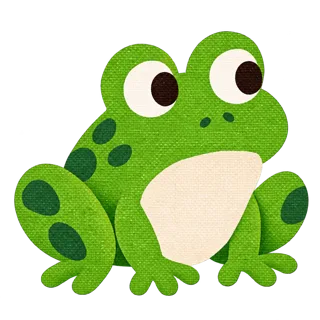 frog
 elephant
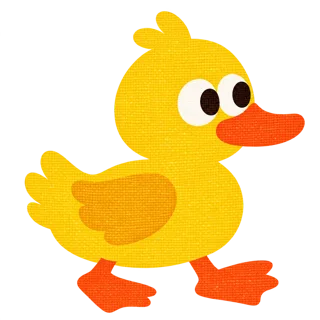 duck
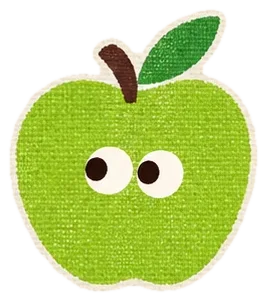 apple
 carrot
 strawberry
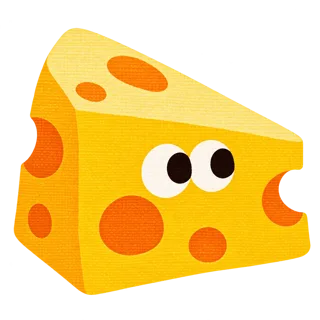 cheese
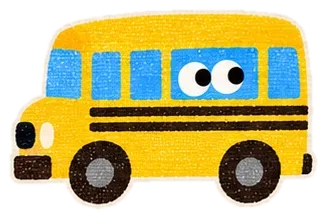 bus
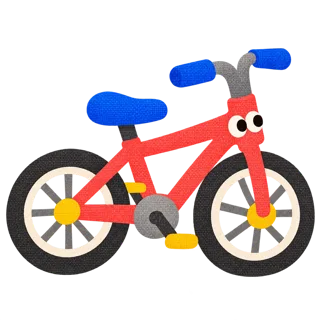 bike
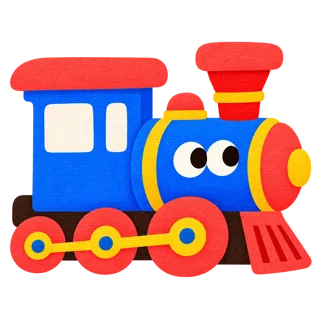 train
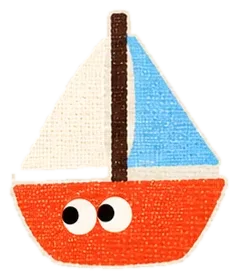 sailboat
From heysaylo.com/resources/describing-activities-speech-therapy. Free to print and use; please don’t sell.
Picture cards: clothes, home, toys and music
Cut along the dashed lines. Mix them with the first 12 cards and sort them into groups before you describe them.
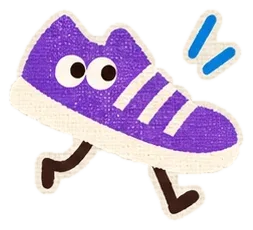 shoe
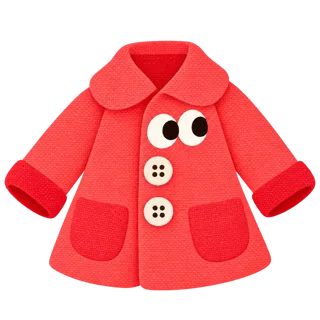 coat
 scarf
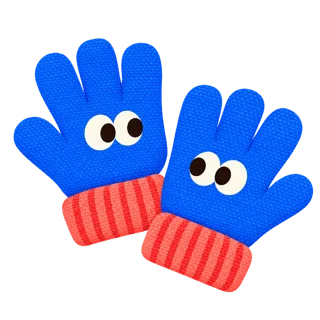 gloves
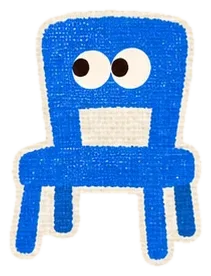 chair
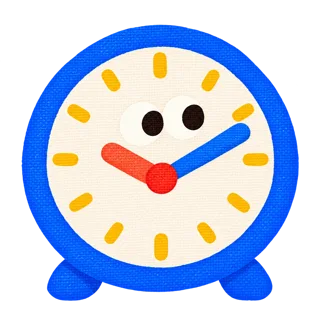 clock
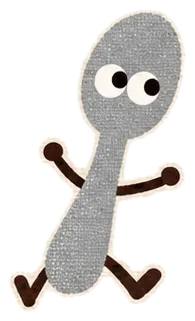 spoon
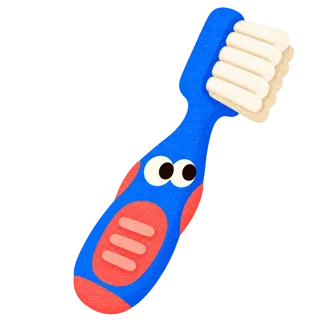 toothbrush
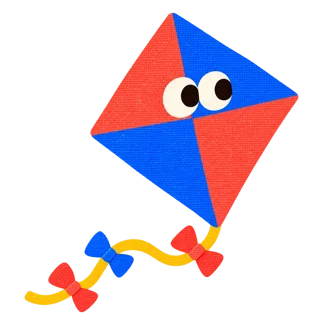 kite
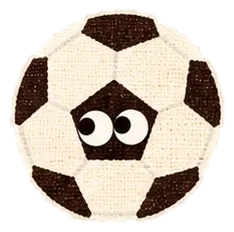 soccer ball
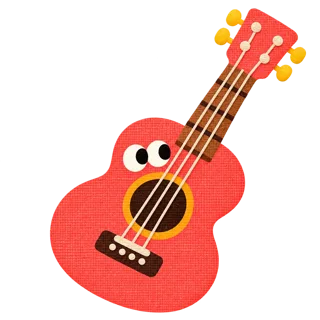 guitar
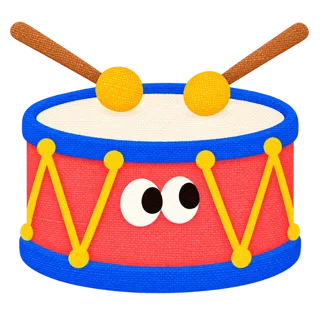 drum
From heysaylo.com/resources/describing-activities-speech-therapy. Free to print and use; please don’t sell.
Describe and guess: I’m thinking of…
Pick a card and keep it secret. Give three clues: the group first, then two more. Your partner guesses. If they need help, give one more clue. Lay out the 24 picture cards so your partner can look while they think.
Your turn: I’m thinking of…
Clue 1 Group
Clue 2 Do
Clue 3 Looks
Your turn: I’m thinking of…
Clue 1 Group
Clue 2 Do
Clue 3 Looks
Riddles to read aloud. Cut the strips apart and fold back the answer, or cover it.
cowfrogstrawberrycarrotbussailboatglovestoothbrushclockdrumFrom heysaylo.com/resources/describing-activities-speech-therapy. Free to print and use; please don’t sell.
Same and different
Name: ____________________ Date: ______________
Pick two cards. Write or draw what’s true only for the first thing, what’s true for both in the middle, and what’s true only for the second thing. Then say how they’re the same and how they’re different.
1. ______________________
2. ______________________
Same: A ________ and a ________ are the same because they both…
Different: A ________ … but a ________ …
Pairs to try. Use the cue boxes to help: group, do, looks, parts, where.
From heysaylo.com/resources/describing-activities-speech-therapy. Free to print and use; please don’t sell.
Levels, cues and data
Levels. Start where the child succeeds with a little help, and move up when they’re steady. Levels 1 to 3 use the picture cards and the organizer; level 4 takes the organizer away.
| Level | What the child does | Try it |
|---|---|---|
| 1. Find it (understanding) | Listens to your clues and points to the card | Lay out 3 to 6 cards. “I’m thinking of an animal that lives in a pond. It’s green.” |
| 2. One cue | Answers one cue question about a card | “What group is it in?” “Where do you find it?” Use the organizer’s icons. |
| 3. Three cues | Gives three details with the organizer | Group plus two more boxes, then says them together. |
| 4. Full description | Describes without the organizer, in order | Card hidden from the listener, as in describe and guess, or a real thing from the room. |
Cueing ladder. Start at step 1 and add help only when needed. Write the highest step used on the data table.
- Point to a box on the organizer, or tap its icon.
- Ask the box’s question: “Where do you find it?”
- Give a choice: “Is it big or little?” “On a farm or in the ocean?”
- Start the sentence: “You use it to…”
- Model it and have the child say it back, then try the next card on their own.
Scoring. Count each cue box the child fills with a true, relevant detail (most is 6). Decide before you start whether a cue counts if it came after a choice or a model. A detail in the child’s home language or dialect counts.
Data Child: ____________________ Goal: ________________________________
| Date | Level | Card or object | Cue boxes used (circle) | Count / 6 | Highest cue step |
|---|---|---|---|---|---|
| G · D · L · P · W · M | |||||
| G · D · L · P · W · M | |||||
| G · D · L · P · W · M | |||||
| G · D · L · P · W · M | |||||
| G · D · L · P · W · M | |||||
| G · D · L · P · W · M | |||||
| G · D · L · P · W · M | |||||
| G · D · L · P · W · M | |||||
| G · D · L · P · W · M | |||||
| G · D · L · P · W · M |
From heysaylo.com/resources/describing-activities-speech-therapy. Free to print and use; please don’t sell.
Why describing matters
Describing asks a child to pull together what they know about a word: its group, what it does, what it looks like, its parts and where it belongs. A child who can describe has more ways to find a word, and to get their message across when the word won’t come.
ASHA lists word-finding difficulties, and slower naming that may reflect less rich and less elaborate links between word meanings, among the semantic signs of a spoken language disorder. Its treatment targets for preschoolers include understanding and using relationships such as attribute and object, and improving the depth or richness of familiar words; for elementary school children, they include improving depth of vocabulary understanding and use (ASHA). For background, see developmental language disorder.
How to use the organizer
- Group first. Naming the group (“It’s an animal”) narrows things down for the listener, and it helps the child sort words. The other boxes can come in any order.
- Real things before pictures. A real spoon or shoe gives more to describe: how it feels, what it sounds like when you drop it, what its parts are for.
- Use the icons as cues. Point to the icon instead of asking the question. Over time, the child points to the next box on their own, then remembers the boxes without the page.
- Not every box fits every card. A carrot has no parts worth naming for some children, and a guitar’s “where” can be lots of places. Teach the child to skip a box and pick another.
- Accept true answers. “It’s green and you eat it” is a good start for an apple. Then ask for one more detail.
What the research says
In a randomized trial with 15 pupils aged 9 to 15 who had language impairments and word-finding difficulties, two 15-minute semantic therapy sessions a week for 8 weeks, working on words from one category (animals, food or clothes), improved scores on a standardized word-finding test, and the gains held 5 months later. The pupils didn’t improve on naming as many words as they could from a category or on word finding in conversation, and the authors said more work is needed there (Ebbels et al., 2012).
In another randomized trial, 20 children aged 6 to 8 with word-finding difficulties had six sessions using word webs, which worked on finding words and on the children’s awareness of how they find them. They gained on the words they practiced, about four times as many as the waiting group, but there was little change on words they didn’t practice (Best et al., 2018). So choose cards and objects the child needs, such as words from class or from home, rather than relying on gains spreading to new words.
A review of vocabulary intervention for school-age children with language impairment suggests activities that build deep word knowledge, such as a semantic feature analysis grid that marks which features each word has, and notes that children need many exposures to learn a word well (Steele & Mills, 2011). The same-and-different sheet is a simple version of comparing features.
Games with the cards
- Describe and guess. The child picks a card in secret and gives three clues. Swap roles so the child also listens to your clues. This is level 1 when you describe and level 4 when the child does.
- Barrier game. Put a folder between you. One player describes a card; the other finds it in their own set. Compare cards at the end.
- Mystery bag. Put a real thing in a bag. The child feels it and describes it before pulling it out.
- Sort, then describe. Mix both card pages, sort them into the six groups, then describe one card from each group. For 96 more cards in eight categories, see the vocabulary flash cards by category.
- Make it a sentence. Turn a description into full sentences: “The frog is green. It lives in a pond.” The sentence building activities have a describing-word box for this.
- Describe a scene. Describe the silly things in Silly Scene Detective: what group, where, and what’s wrong with it.
Making it easier or harder
- Easier: use fewer cards for level 1, give a choice of two answers, or use only three boxes (group, do, looks). Fill in the sentence starter and let the child finish it.
- Harder: describe a card the listener can’t see, describe something not in the room, or describe two things and say how they’re different. Ask for details that aren’t in the picture, like how it sounds or feels.
- Understanding and saying. Level 1 shows whether the child understands descriptions; levels 2 to 4 show whether they can say them. For more on the difference, see receptive vs expressive language.
- Questions first. The cue boxes are WH-questions (what, where). If those are hard, start with the WH-question practice sheets.
Common questions
What are describing activities in speech therapy?
Activities that help a child tell about a word or object: its group, what it does, what it looks like, its parts, where you find it and other details. Speech-language pathologists (SLPs) use them for vocabulary, word finding and getting a message across.
What should a child say when describing something?
A good description names the group and gives a few details, such as what it does, what it looks like and where you find it. The organizer’s six boxes give the child a place to start, and the goal is to use them without the page.
What age are these describing activities for?
The picture cards and level 1 suit preschoolers who can point to a picture you describe. The organizer and the riddles suit children who can answer simple what and where questions, often preschool to early elementary. Older students can describe harder words from class with the same cues.
Can I use these sheets with my students?
Yes. They’re free to print and use with your students and clients and to send home. Please don’t sell them.
Request a resource or send feedback
Want another version of this, or something new? Spotted a mistake? Tell us.
Sources
- ASHA Practice Portal: Spoken language disorders.
- Ebbels, S. H., Nicoll, H., Clark, B., Eachus, B., Gallagher, A. L., Horniman, K., Jennings, M., McEvoy, K., Nimmo, L., & Turner, G. (2012). Effectiveness of semantic therapy for word-finding difficulties in pupils with persistent language impairments: A randomized control trial. International Journal of Language & Communication Disorders, 47(1), 35–51.
- Best, W., Hughes, L. M., Masterson, J., Thomas, M., Fedor, A., Roncoli, S., Fern-Pollak, L., Shepherd, D.-L., Howard, D., Shobbrook, K., & Kapikian, A. (2018). Intervention for children with word-finding difficulties: A parallel group randomised control trial. International Journal of Speech-Language Pathology, 20(7), 708–719.
- Steele, S. C., & Mills, M. T. (2011). Vocabulary intervention for school-age children with language impairment: A review of evidence and good practice. Child Language Teaching and Therapy, 27(3), 354–370.