Free resource for speech-language pathologists (SLPs)
Free printable vocabulary flash cards by category
Updated
How to use it
Eight sheets of 12 picture cards, one category per sheet: animals, food, clothes, vehicles, things at home, body parts, toys, and outside and nature. Each card has one clear picture and its word, so children who can’t read yet can still play. Print the sheets on card stock, cut them apart, and use them for naming, sorting into categories, describing and “which one doesn’t belong”. A speech-language pathologist (SLP) can mix sheets to make the sorting harder, and families can play the same games at home.
How to print
- Pick the pages. Everything is ticked. Untick what you don’t need, or use a shortcut below.
- Press Print. Each page prints on its own sheet of US letter paper.
- Choose your printer in the print window, or “Save as PDF” to keep a copy.
Animals
Cut along the dashed lines. Farm animals, a pet or two and wild animals, for sorting into smaller groups.
 cat
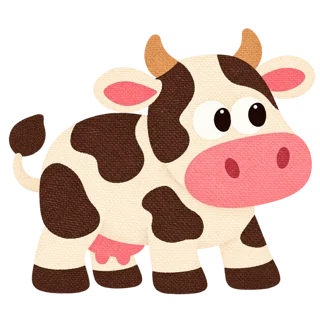 cow
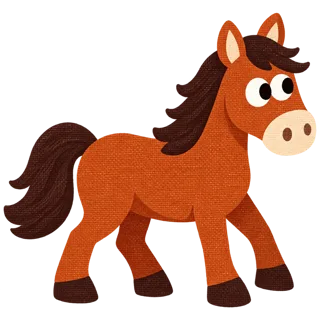 horse
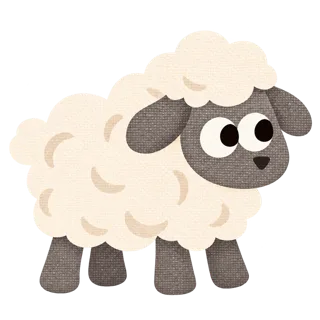 sheep
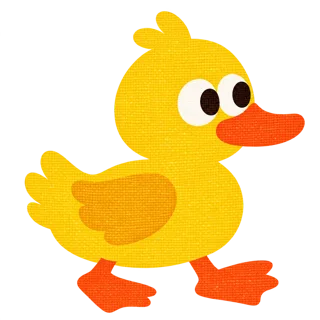 duck
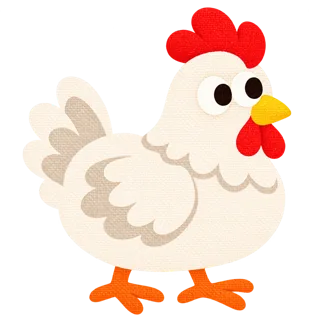 chicken
 fish
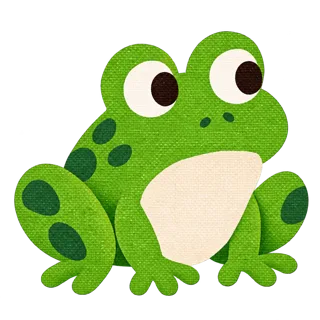 frog
 elephant
 lion
From heysaylo.com/resources/vocabulary-flash-cards-categories. Free to print and use; please don’t sell.
Food
Cut along the dashed lines. Fruit, vegetables and other foods, for sorting into smaller groups.
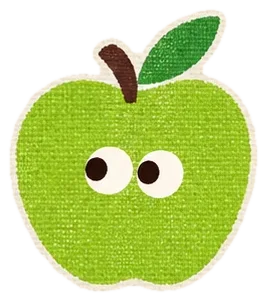 apple
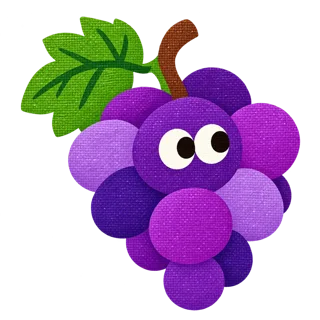 grapes
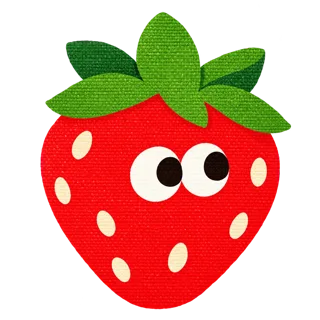 strawberry
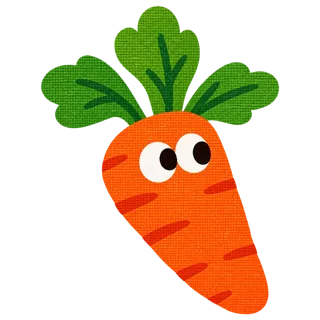 carrot
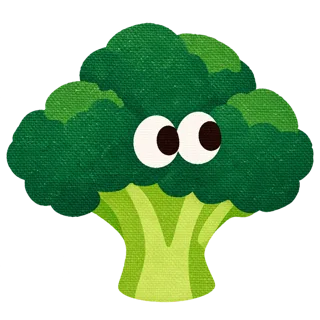 broccoli
 corn
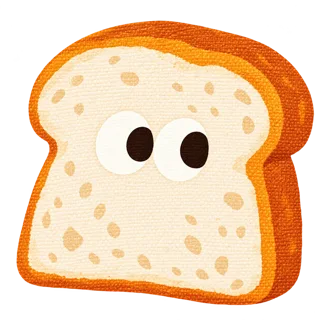 bread
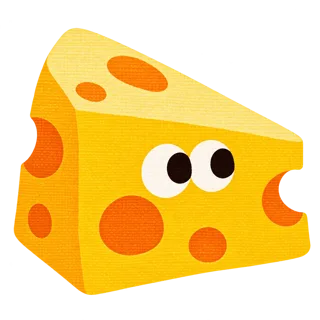 cheese
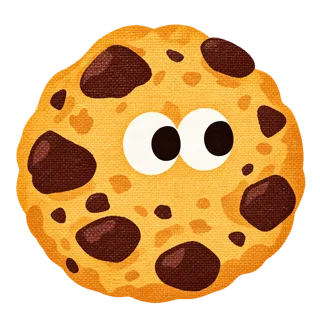 cookie
From heysaylo.com/resources/vocabulary-flash-cards-categories. Free to print and use; please don’t sell.
Clothes
Cut along the dashed lines. Clothes for hot and cold weather, for sorting by when you’d wear them.
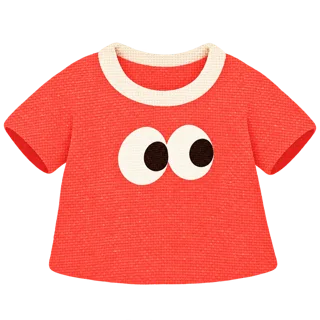 T-shirt
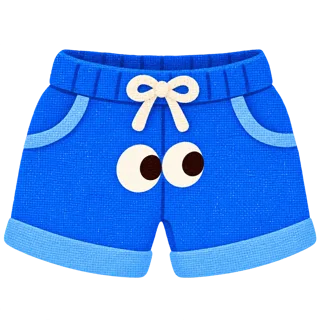 shorts
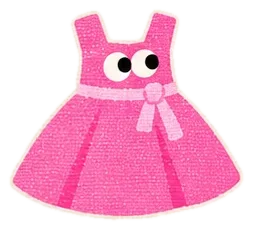 dress
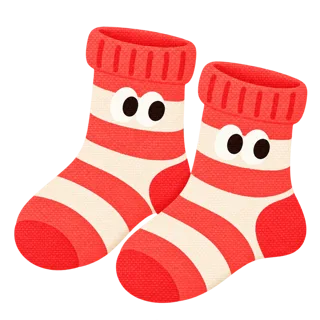 socks
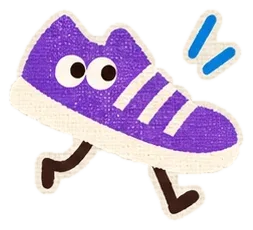 shoe
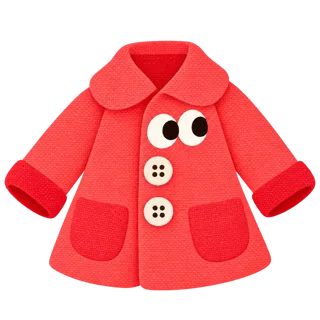 coat
 scarf
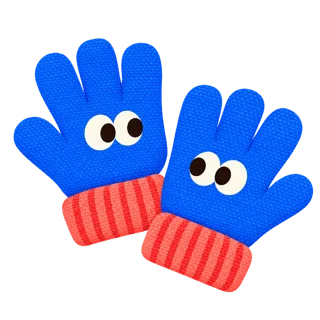 gloves
From heysaylo.com/resources/vocabulary-flash-cards-categories. Free to print and use; please don’t sell.
Vehicles
Cut along the dashed lines. Vehicles that go on land, in the air and on water.
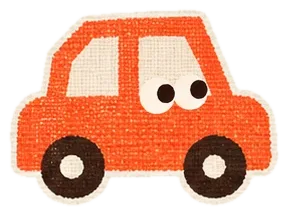 car
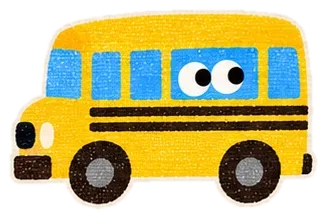 bus
 truck
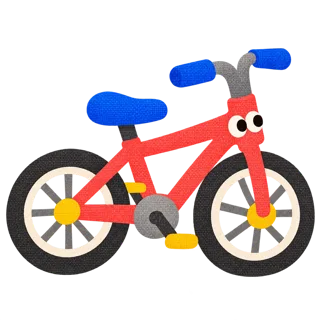 bike
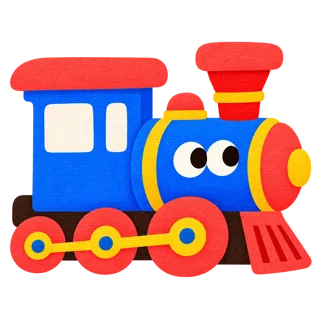 train
 rocket
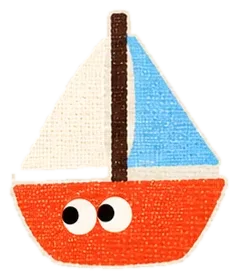 sailboat
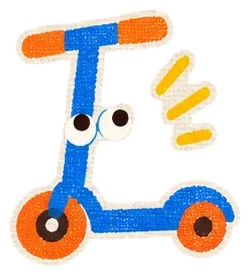 scooter
From heysaylo.com/resources/vocabulary-flash-cards-categories. Free to print and use; please don’t sell.
Things at home
Cut along the dashed lines. Furniture and things you use at home, for sorting by room.
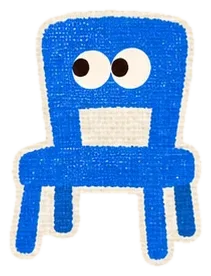 chair
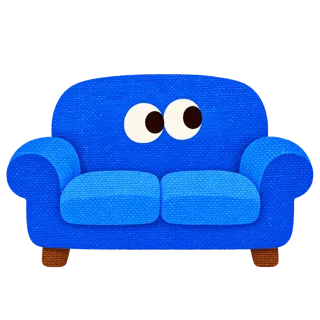 couch
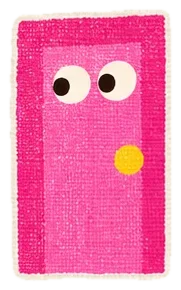 door
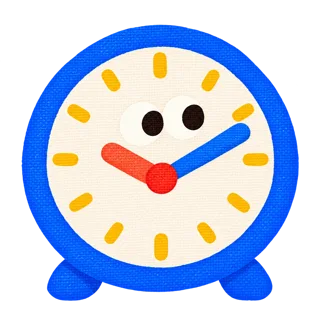 clock
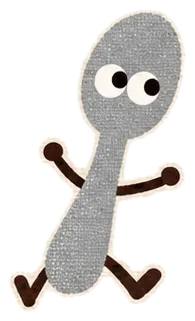 spoon
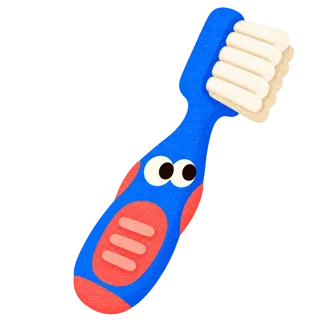 toothbrush
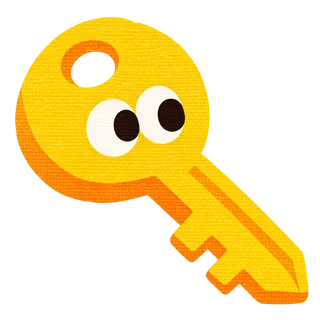 key
From heysaylo.com/resources/vocabulary-flash-cards-categories. Free to print and use; please don’t sell.
Body parts
Cut along the dashed lines. Parts of the face, parts of the body, and two that are inside.
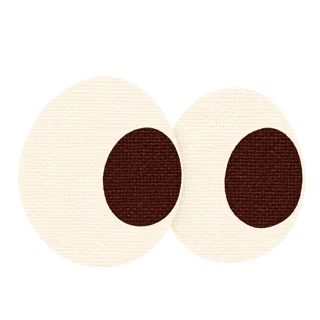 eyes
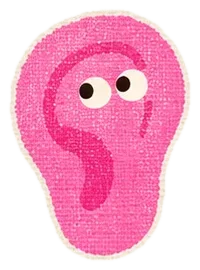 ear
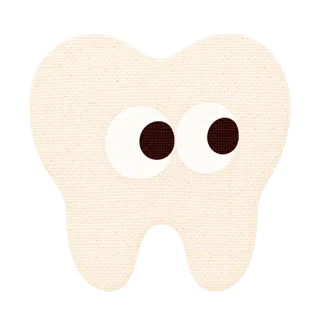 tooth
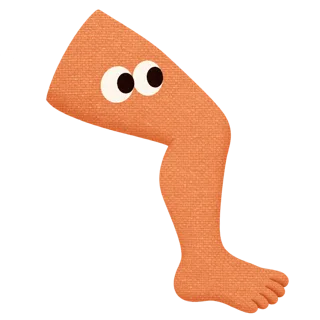 leg
From heysaylo.com/resources/vocabulary-flash-cards-categories. Free to print and use; please don’t sell.
Toys
Cut along the dashed lines. Toys to play with, toys that make music and toys you ride.
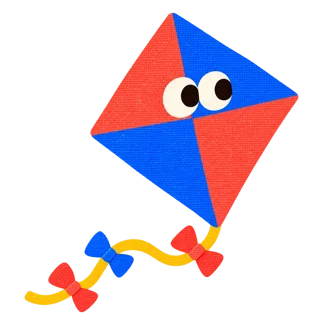 kite
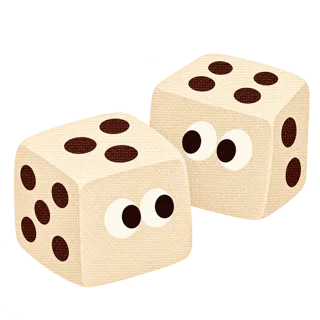 dice
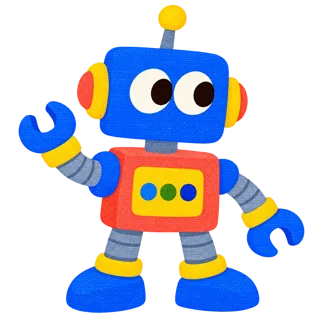 robot
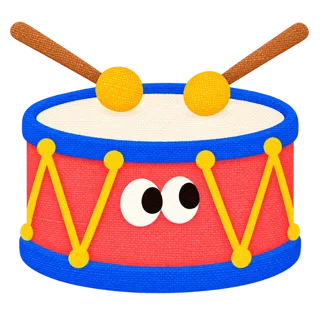 drum
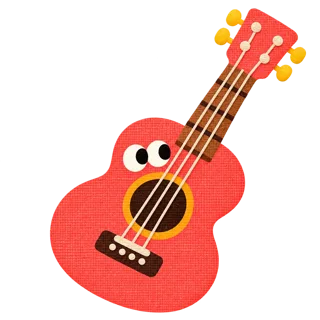 guitar
From heysaylo.com/resources/vocabulary-flash-cards-categories. Free to print and use; please don’t sell.
Outside and nature
Cut along the dashed lines. Things on the ground, things in the sky and weather.
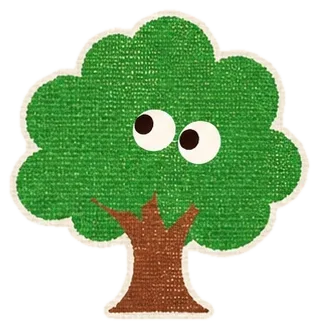 tree
 leaf
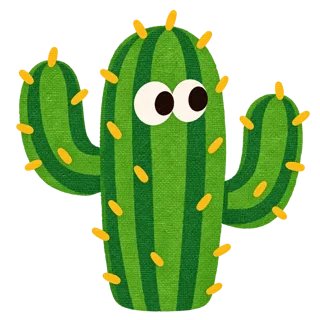 cactus
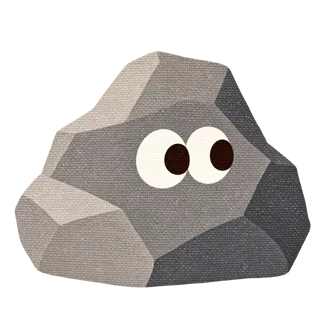 rock
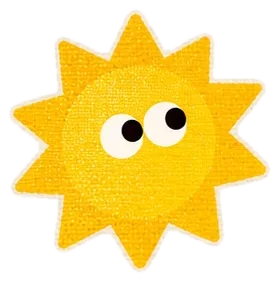 sun
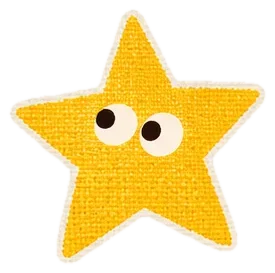 star
 rainbow
From heysaylo.com/resources/vocabulary-flash-cards-categories. Free to print and use; please don’t sell.
Four games to play with the cards
- Naming. Show a card and ask “What’s this?” If the child doesn’t know it yet, say the word, use it in a short sentence (“A tractor! The tractor is on the farm.”) and come back to it later. For understanding rather than saying words, lay out three or four cards and ask the child to point: “Where’s the spoon?”
- Sorting into categories. Mix two sheets, such as animals and food, and sort the cards into two piles. Then sort one sheet into smaller groups: farm and wild animals, fruit and vegetables, hot-weather and cold-weather clothes, land, air and water vehicles, or bedroom, bathroom and kitchen things.
- Describing. Take turns picking a card without showing it and giving clues: what group it’s in, what it does, what color or shape it is, what parts it has and where you find it. “It’s an animal. It’s big and gray. It has a long trunk.” The other player guesses.
- Which one doesn’t belong? Lay out four cards where three share something, and ask which one doesn’t belong and why. The “why” is the important part: accept any answer the child can explain. Some sets to try are in the table below.
“Which one doesn’t belong” sets
Start with sets where the odd one out is from a different category, then move to sets where all four are from the same category and the child has to think about a feature.
| Set | Doesn’t belong | Why |
|---|---|---|
| dog, cat, cow, car | car | It isn’t an animal. |
| apple, banana, grapes, shoe | shoe | You wear it; you don’t eat it. |
| bed, chair, couch, kite | kite | It’s a toy, not furniture. |
| eyes, nose, ear, spoon | spoon | It isn’t part of your body. |
| apple, banana, strawberry, carrot | carrot | It’s a vegetable, not a fruit. |
| airplane, helicopter, rocket, bus | bus | It doesn’t fly. |
| cow, pig, horse, lion | lion | It doesn’t live on a farm. |
| coat, scarf, gloves, swimsuit | swimsuit | You wear it when it’s hot. |
| sun, moon, star, tree | tree | It isn’t in the sky. |
| drum, guitar, robot, ball | robot or ball | Either works: the drum and guitar make music; the ball is the only one you throw. |
Vocabulary goals these cards fit
ASHA’s milestones say that by 19 to 24 months, children use and understand at least 50 different words for food, toys, animals and body parts (ASHA), which is why four of these sheets cover those groups. By 3 to 4 years, ASHA lists comparing things with words like bigger or shorter (ASHA): a natural add-on to the describing game.
For children with a spoken language disorder, ASHA lists signs such as slower vocabulary growth and slower naming of pictures, and preschool treatment goals that include growing vocabulary and a wider range of meaning relationships between words, including an attribute and the thing it describes (ASHA). Naming builds expressive vocabulary, pointing checks receptive vocabulary, and sorting and describing work on how words relate. For the difference, see receptive vs expressive language, and for a language difficulty that lasts, developmental language disorder.
What the research says about teaching words
A meta-analysis of 67 studies of vocabulary interventions for pre-K and kindergarten children found an average gain of nearly one standard deviation on vocabulary measures. Effects were larger when trained adults gave the intervention and when explicit and implicit teaching were combined, and larger on measures the researchers made than on standardized tests. The authors caution that vocabulary interventions weren’t powerful enough to close the gap for children at risk, even in preschool and kindergarten (Marulis & Neuman, 2010).
A review of vocabulary intervention for school-age children with language impairment describes activities that build depth of word knowledge, such as a semantic feature analysis grid (related words down the side, features across the top, marked + or −) and a semantic map with the target word in the middle. It notes that children with language impairment need many exposures to learn a word fully, and follow-through to keep it (Steele & Mills, 2011). The describing game and the sorting games are simple versions of the same idea for younger children.
Making the cards fit the child
- Use the family’s words. A “couch” may be a “sofa” at home, and “sneakers” may be “shoes”. Write the family’s word on the back. Families can play in the language they speak at home: see bilingual children and speech.
- Choose words that matter to the child. Start with the cards for things the child sees and uses every day, then add the rest.
- Keep a few cards back for checking. Don’t practice them, and use them now and then to see whether the child can name or sort words they haven’t been taught.
- Pair with speech goals. Many of the words work for sound practice too. For lists by sound, see the articulation word lists.
Common questions
What are category flash cards used for in speech therapy?
They’re used to teach and check vocabulary and how words are organized: naming pictures, pointing to a named picture, sorting into groups, describing, and spotting which one doesn’t belong. An SLP picks the game to fit the child’s goal.
What age are these vocabulary cards for?
The pictures suit toddlers through early primary school. Naming and pointing suit younger children, and sorting by feature, describing and explaining why a card doesn’t belong are harder skills for older preschoolers and up.
Why ask “why” in “which one doesn’t belong”?
Because the explanation shows what the child knows about the words. More than one answer can be right, so accept any answer the child can explain.
Can I print these cards for my caseload?
Yes. They’re free to print and use with your students and clients and to send home. Please don’t sell them.
Request a resource or send feedback
Want another version of this, or something new? Spotted a mistake? Tell us.
Sources
- ASHA: Communication milestones: 19 to 24 months.
- ASHA: Communication milestones: 3 to 4 years.
- ASHA Practice Portal: Spoken language disorders.
- Marulis, L. M., & Neuman, S. B. (2010). The effects of vocabulary intervention on young children’s word learning. Review of Educational Research, 80(3), 300–335.
- Steele, S. C., & Mills, M. T. (2011). Vocabulary intervention for school-age children with language impairment: A review of evidence and good practice. Child Language Teaching and Therapy, 27(3), 354–370.