
Free resource for speech-language pathologists (SLPs)
Free printable speech sound cue cards
Updated
How to use it
Eight cue cards, one per sound, to keep on the table during speech sound practice. Each card has a hand-painted sound character, a picture of the mouth position, a kid-friendly name for the sound (the snake sound for S), two or three short placement cues, and five picturable words. Write the cue word or gesture you use with the child on the card, point to the picture before an attempt, and send a copy home so everyone uses the same words.
How to print
- Pick the pages. Everything is ticked. Untick what you don’t need, or use a shortcut below.
- Press Print. Each page prints on its own sheet of US letter paper.
- Choose your printer in the print window, or “Save as PDF” to keep a copy.
R: the growling tiger sound
Say it like: a growling tiger, “rrrr”.
- Pull your tongue back, so the tip doesn’t touch your teeth or the roof of your mouth.
- Press the sides of your tongue against your top back teeth.
- Round your lips a little, turn your voice on and growl: “rrrr”.
Words to try: rabbit, rain, rocket, rope (start); carrot (middle). These are R before a vowel; R after a vowel, as in car, is practiced separately.
Our cue word or gesture: ______________________
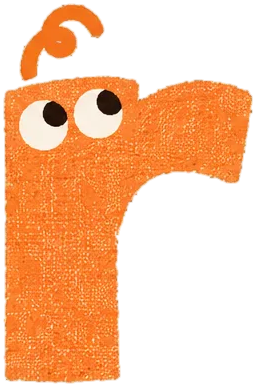
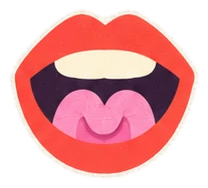
From heysaylo.com/resources/speech-sound-cue-cards. Free to print and use; please don’t sell.
S: the snake sound
Say it like: a snake, “sssss”.
- Smile a little, with your top and bottom teeth together.
- Keep your tongue tip just behind your top front teeth, inside your mouth.
- Blow a thin stream of air down the middle of your tongue: “sssss”.
Words to try: sun, sock, soap (start); pencil (middle); bus (end).
Our cue word or gesture: ______________________
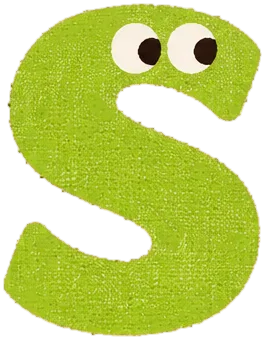
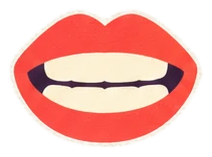
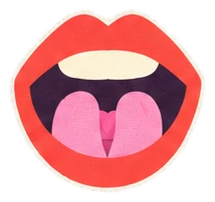
From heysaylo.com/resources/speech-sound-cue-cards. Free to print and use; please don’t sell.
Z: the buzzing bee sound
Say it like: a buzzing bee, “zzzz”.
- Get ready for S: a small smile, teeth together, tongue tip behind your top front teeth.
- Turn your voice on while the air flows: “zzzz”.
- Put a hand on your throat to feel the buzz.
Words to try: zoo, zip, zebra (start); lizard (middle); nose (end).
Our cue word or gesture: ______________________
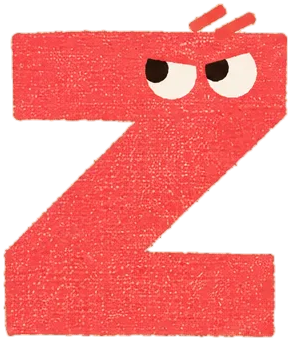
From heysaylo.com/resources/speech-sound-cue-cards. Free to print and use; please don’t sell.
SH: the quiet sound
Say it like: telling a baby to be quiet, “shhh”.
- Push your lips forward into a round shape, like a gentle kiss.
- Bring your teeth close together, with your tongue a little further back than for S.
- Blow out softly: “shhh”.
Words to try: shoe, ship, sheep (start); cushion (middle); fish (end).
Our cue word or gesture: ______________________
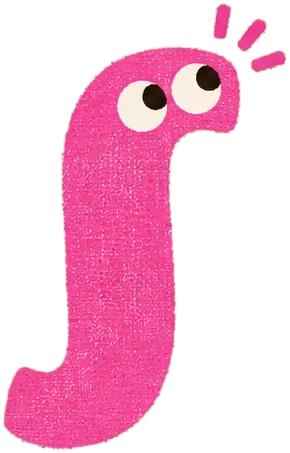
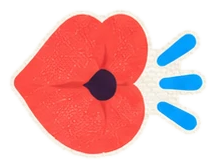
From heysaylo.com/resources/speech-sound-cue-cards. Free to print and use; please don’t sell.
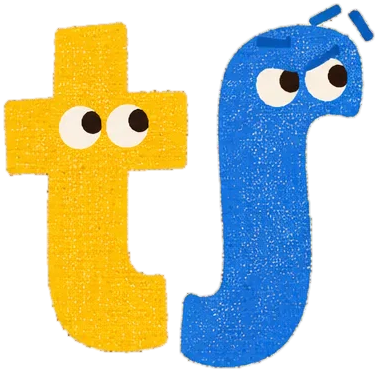
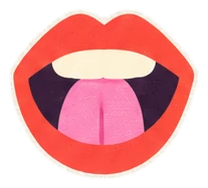
CH: the sneeze sound
Say it like: the end of a sneeze, “ah-choo”.
- Start like T: lift your tongue tip to the bump just behind your top front teeth.
- Round your lips forward, ready for SH.
- Let the air go with a quick pop into “sh”: “t-sh”, faster and faster, until it’s “ch”.
Words to try: chair, cheese, chick (start); teacher (middle); watch (end).
Our cue word or gesture: ______________________
From heysaylo.com/resources/speech-sound-cue-cards. Free to print and use; please don’t sell.
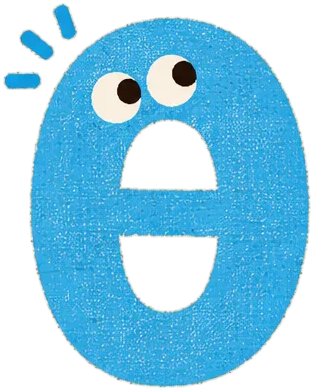
TH: the peeking tongue sound
Say it like: gentle air over your tongue, “thhh”, as in thumb.
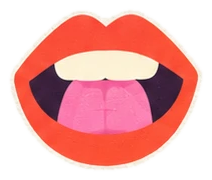
- Rest the tip of your tongue lightly between your top and bottom teeth. Don’t bite down.
- Blow air gently over your tongue: “thhh”.
- Check in a mirror: you should see a little bit of tongue peeking out.
Words to try: thumb (start); bathtub (middle); bath, tooth, mouth (end). These are TH with the voice off, as in thumb.
Our cue word or gesture: ______________________
From heysaylo.com/resources/speech-sound-cue-cards. Free to print and use; please don’t sell.
L: the la-la sound
Say it like: singing “la, la, la”.
- Open your mouth a little.
- Lift your tongue tip to the bump just behind your top front teeth.
- Turn your voice on, “llll”, then drop your tongue into “la, la, la”.
Words to try: lion, leaf, lamp (start); balloon (middle); bell (end).
Our cue word or gesture: ______________________
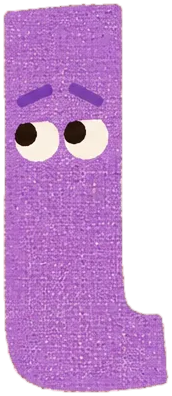
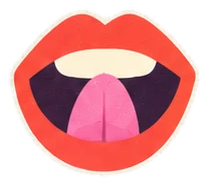
From heysaylo.com/resources/speech-sound-cue-cards. Free to print and use; please don’t sell.
K: the tiny cough sound
Say it like: a tiny cough, “k”.
- Keep the tip of your tongue down, resting behind your bottom front teeth.
- Lift the back of your tongue up to touch the roof of your mouth, far back.
- Let the air go with a little pop: “k”.
Words to try: kite, cup, cat (start); monkey (middle); duck (end).
Our cue word or gesture: ______________________

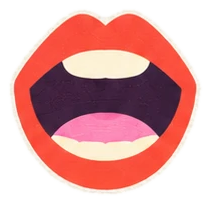
From heysaylo.com/resources/speech-sound-cue-cards. Free to print and use; please don’t sell.
How SLPs use visual and verbal cues
Speech-language pathologists (SLPs) often pair what they say with something the child can see. ASHA’s Practice Portal lists techniques for building awareness of a target sound and giving feedback about placement, including a mirror for visual feedback, gestural cueing for place or manner (for example, a long sweeping hand gesture for fricatives and a short “chopping” gesture for stops), and tactile feedback with tools such as tongue depressors (ASHA).
Cues work best when they fit the child. A tutorial on motor-based treatment for /r/ warns that overly broad instructions such as “lift your tongue up for /r/” may not help, says the exact cues will vary with each child, and suggests paying attention to which cues work best for a particular child. It adds that pictures can help children understand basic anatomy, and that visual information may be a useful supplement to verbal cues (Preston et al., 2020).
The same tutorial suggests that as a child moves from learning a sound to practicing it, feedback can be reduced, for example from 90–100% of trials to 40–50% (Preston et al., 2020). For more, see traditional articulation therapy and feedback frequency and motor learning.
Ways to use the cards
- Name the sound first. Use the cue name (“the snake sound”) consistently, so it becomes a short verbal cue you can give mid-sentence.
- Point before the attempt. Point to the mouth picture or the character just before the child tries, then less often as accuracy grows.
- Make the card yours. Write the cue word or gesture you use on the line at the bottom, so families and other staff use the same one.
- Send it home. Pair a card with the matching home practice handout and the weekly practice log.
- Track the cue level. The speech therapy data sheets have a column for the cue level on each attempt.
About the words and the pictures
Each card has five words a young child can picture, checked by sound rather than spelling. The R card uses R before a vowel (rabbit), because R after a vowel (car) is usually practiced separately, and the TH card uses TH with the voice off (thumb). For longer lists by position and blends, see the articulation word lists.
The mouth pictures show the mouth from the front, so the cues describe what happens out of sight, such as the back of the tongue lifting for K. They show the basic position only: adjust the cues to the child in front of you.
The character and mouth pictures are copyrighted. These cards are free to print and use in therapy and home practice; please don’t sell them or copy the pictures into other products. See image use for details.
Common questions
What are speech sound cue cards?
They’re small visual reminders of how to make a sound: a picture of the mouth position, a memorable name for the sound and a few short placement cues. SLPs use them alongside spoken cues during practice.
What is a visual cue in speech therapy?
Anything the child can see that helps them make a sound, such as a mirror, a hand gesture or a picture of the mouth. ASHA lists mirrors and gestural cueing among the techniques SLPs use.
Should I use the same cue every time?
Using the same cue word or gesture across the SLP, school and home helps the child know what it means. Write yours on the card so everyone uses it.
Can I print these cards for my caseload?
Yes. They’re free to print and use with your students and clients and to send home. Please don’t sell them or reuse the pictures in other products.
Request a resource or send feedback
Want another version of this, or something new? Spotted a mistake? Tell us.