
Free resource for speech-language pathologists (SLPs)
Free printable SH sound flash cards
Updated
How to use it
Twenty-four SH picture cards on two pages: SH at the start of words on the first page, then SH in the middle and at the end. Each card has a picture, the word and a small note saying where the sound is, so non-readers can play too. Print, cut along the dashed lines and use them for drill, memory or go fish. Every word was checked by how it sounds, not how it’s spelled.
How to print
- Pick the pages. Everything is ticked. Untick what you don’t need, or use a shortcut below.
- Press Print. Each page prints on its own sheet of US letter paper.
- Choose your printer in the print window, or “Save as PDF” to keep a copy.
SH at the start of words
Cut along the dashed lines. The note under each word says where the sound is.
The pictures are emoji, so they look a little different on each phone, computer and printer. Print in color if you can.
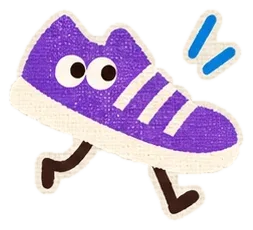 shoestart
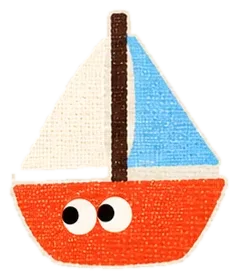 shipstart
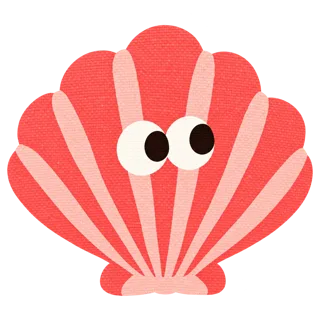 shellstart
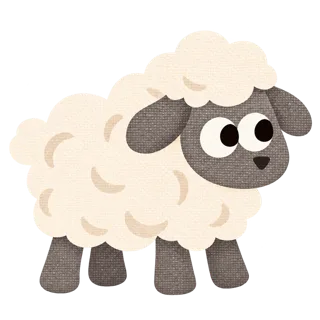 sheepstart
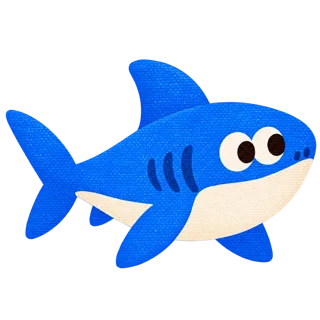 sharkstart
 showerstart
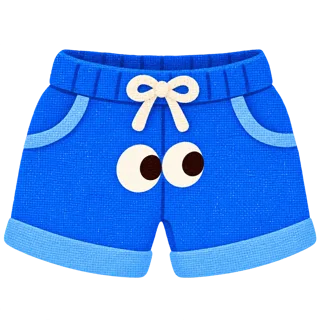 shortsstart
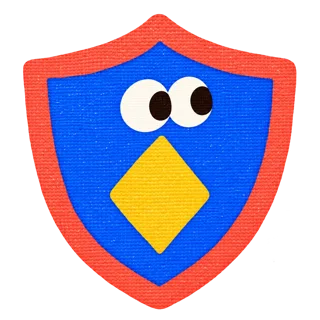 shieldstart
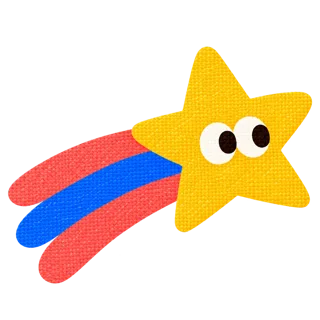 shooting starstart
 shopping cartstart
 shaved icestart
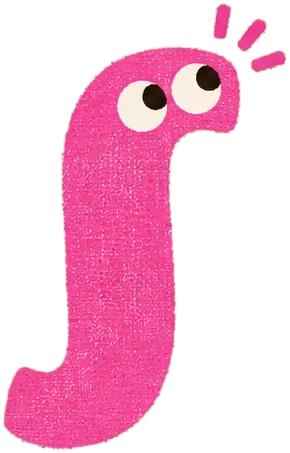
From heysaylo.com/resources/sh-sound-flash-cards. Free to print and use; please don’t sell.
SH in the middle and at the end of words
Cut along the dashed lines. The note under each word says where the sound is.
“Shush” has SH at both ends.
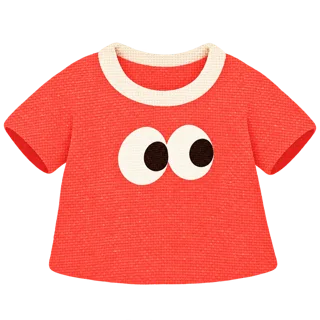 T-shirtmiddle
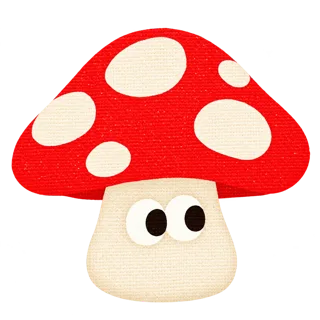 mushroommiddle
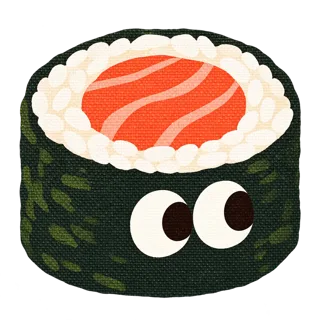 sushimiddle
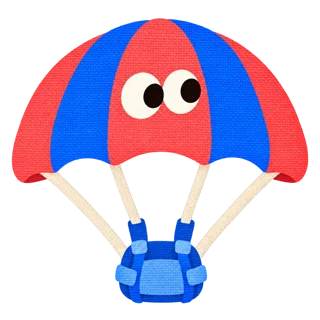 parachutemiddle
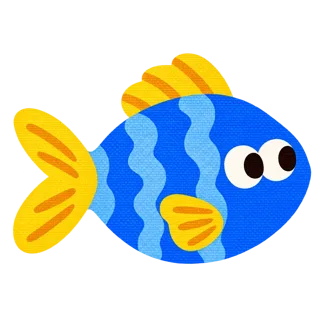 fishend
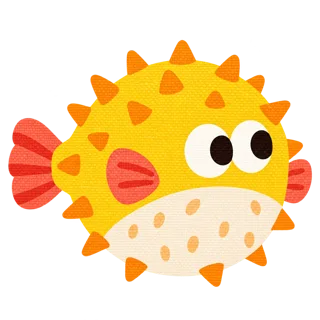 blowfishend
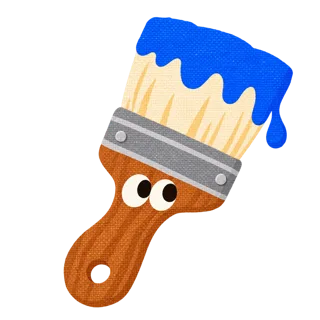 paintbrushend
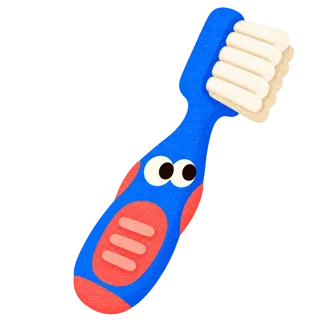 toothbrushend
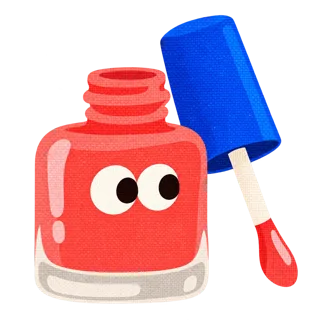 nail polishend
From heysaylo.com/resources/sh-sound-flash-cards. Free to print and use; please don’t sell.
Ways to play with the cards
- Flip and say. Turn the pile face down. The child flips a card and says the word three to five times, then keeps the card. Count the pile at the end.
- Memory. Print two copies, mix them face down, and turn over two at a time. Say both words on every turn, matched or not.
- Go fish. Print two copies and deal five cards each. Ask “Do you have the ___?”, so every turn is a practice try.
- Hide and find. Hide cards around the room. Each card gets said three times before the next hunt.
- Sort by position. Make three piles: SH at the start, in the middle and at the end. Read the note under the word to check.
- Into a sentence. Once single words are steady, put each card into a carrier phrase such as “I see a ___” or “Where is the ___?”
- Quiet game. SH is the “be quiet” sound. Whisper “shhh” before each word, then say the word out loud.
ASHA describes treatment as helping a sound carry over to increasingly challenging levels: syllables, words, phrases and sentences, then conversation (ASHA). These cards are the word level, and the carrier phrase game is a step towards sentences. For more game ideas, see speech practice games.
Choosing which cards to use
You don’t need the whole set at once. In one study of 19 children taught with minimal word pairs, three exemplars were enough for generalization in 59% of cases, some needed five or ten, and a few didn’t generalize even after ten (Elbert, Powell & Swartzlander, 1991). Start with a few cards the child can say well, and add more as accuracy grows.
Set a few cards aside and don’t practice them, so you can check every few weeks whether the sound is spreading to words the child hasn’t drilled. For word shape, facilitating contexts and probe words, see how to choose target words for articulation therapy.
About the SH sound
In a review of 15 US studies of 18,907 children, SH and CH were acquired by 90% of children between 4;0 and 4;11 (years;months) (Crowe & McLeod, 2020). Saying a stop sound for SH, as in “top” for shop, is called stopping, and ASHA’s table of phonological patterns gives a likely age of elimination of 5 for SH. The ages in that table are compiled from clinical texts and vary between children (ASHA).
For how SH is made, common swaps and when to talk to a speech-language pathologist (SLP), see the SH sound guide. The free speech sound cue cards have an SH card with a mouth picture.
How the words were chosen
- By sound, not spelling. “Parachute” has SH in the middle even though it’s spelled “ch”, and “sushi” has SH in the middle after an S.
- No SH blends. Words like “shrimp”, which start with SHR, are left out, so every card is a single SH.
- Fewer words in the middle and at the end. Only a few common SH words in those positions have a clear emoji, so this set has 12 start cards and 6 each for middle and end.
- Concrete words most children aged 4 to 8 can picture, in General American English. Swap out any card that doesn’t suit the child.
For longer lists by position, with phrases and sentences, see the free articulation word lists. To track practice at home, add the weekly practice log.
Common questions
What are some SH words with pictures for speech therapy?
Shoe, ship, shell, sheep, shark and shower are easy starting words with SH at the start. Fishing, T-shirt and mushroom have SH in the middle, and fish, paintbrush and toothbrush end in SH.
Is “parachute” an SH word?
Yes. It’s spelled with “ch”, but the sound in the middle is SH, so it belongs on an SH list, not a CH one.
When should a child say SH correctly?
In a 2020 review of US studies, 90% of children said SH correctly by some point between 4 and 5. Ask an SLP if you’re worried about a child older than that.
Can I print these SH cards for my caseload?
Yes. They’re free to print and use with your students and clients and to send home. Please don’t sell them.
Request a resource or send feedback
Want another version of this, or something new? Spotted a mistake? Tell us.
Sources
- ASHA Practice Portal: Speech sound disorders (articulation and phonology).
- Elbert, M., Powell, T. W., & Swartzlander, P. (1991). Toward a technology of generalization: How many exemplars are sufficient? Journal of Speech and Hearing Research, 34(1), 81–87.
- Crowe, K., & McLeod, S. (2020). Children’s English consonant acquisition in the United States: A review. American Journal of Speech-Language Pathology, 29(4).
- ASHA Practice Portal: Selected phonological patterns.