Free phonological awareness activities
Updated
How to use it
Printable phonological awareness activities for speech sessions, small groups and home, in rough order from larger sound units to smaller ones: syllable cards to clap and sort, three sets of rhyme match cards, a “rhyme or not?” list, first sound picture sorts, blending lists, sound boxes for saying each sound in a word, and a skills checklist. A speech-language pathologist (SLP) or teacher can use the picture cards with children who can’t read yet, and the lists tell the adult exactly what to say. Every word was checked by sound, not spelling. New to the topic? Start with what is phonological awareness?
How to print
- Pick the pages. Everything is ticked. Untick what you don’t need, or use a shortcut below.
- Press Print. Each page prints on its own sheet of US letter paper.
- Choose your printer in the print window, or “Save as PDF” to keep a copy.
Print the picture cards on card stock if you can, and keep one uncut copy of each: the cards print in answer order. The lists and checklist are for you, so print those on plain paper.
Syllable cards: 1 and 2 claps
Cut along the dashed lines. The top two rows have 1 syllable and the bottom two rows have 2, so keep an uncut copy as your answer key. Pictures without a painting are emoji, so they look a little different on each phone, computer and printer.
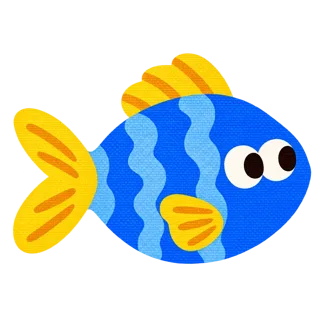 fish
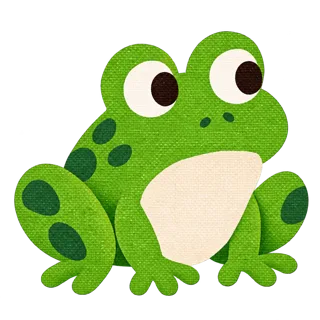 frog
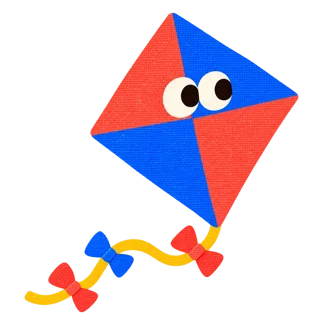 kite
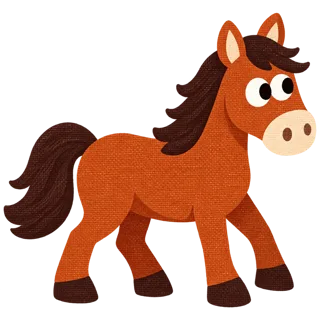 horse
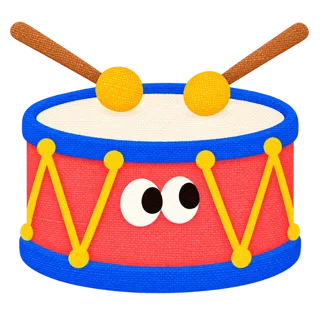 drum
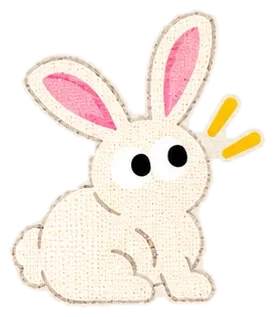 rabbit
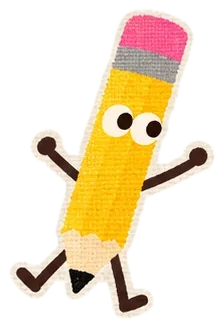 pencil
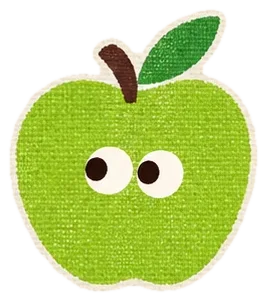 apple
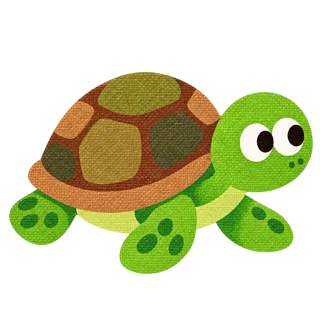 turtle
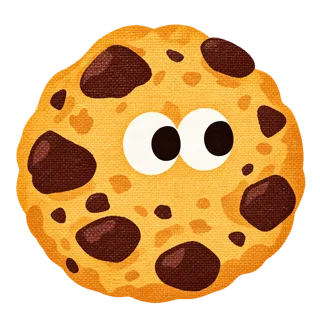 cookie
From heysaylo.com/resources/phonological-awareness-activities. Free to print and use; please don’t sell.
Syllable cards: 3 and 4 claps, with sorting labels
Cut along the dashed lines. The top row and the first card of the bottom row are labels to sort under. Rows 2 and 3 have 3 syllables; watermelon and helicopter have 4.
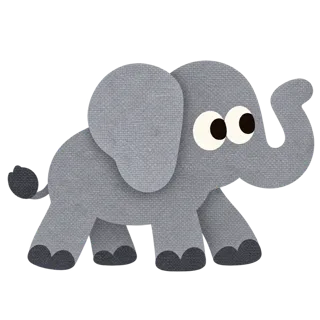 elephant
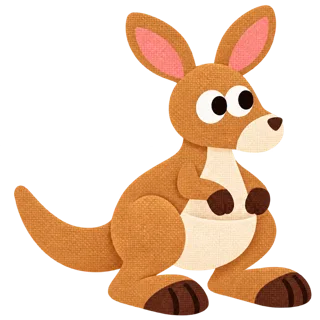 kangaroo
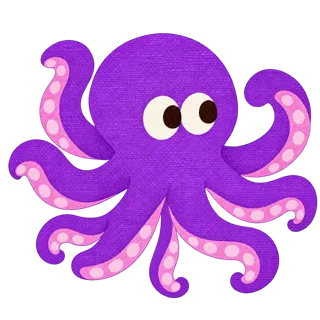 octopus
From heysaylo.com/resources/phonological-awareness-activities. Free to print and use; please don’t sell.
Rhyme match cards: set 1
Cut along the dashed lines. Each row is a rhyming pair, so keep an uncut copy as your answer key. Start with this set: short words that are easy to picture.
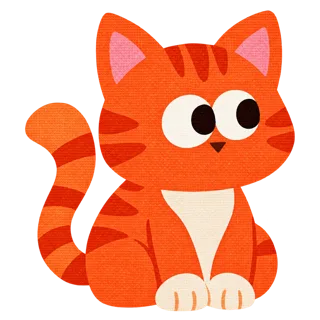 cat
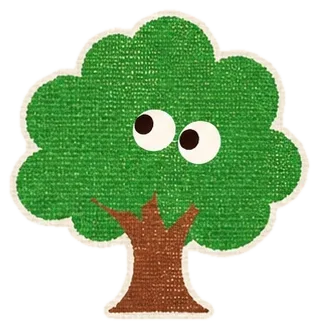 tree
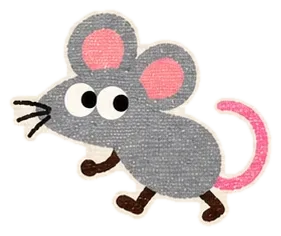 mouse
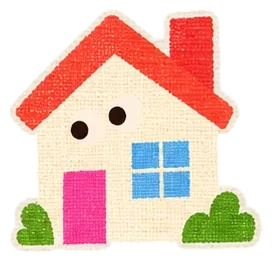 house
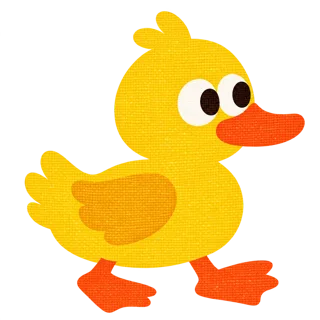 duck
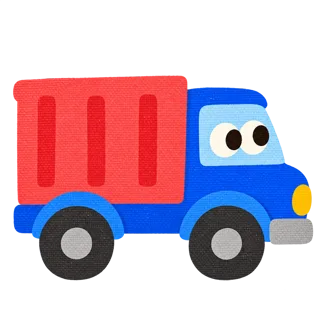 truck
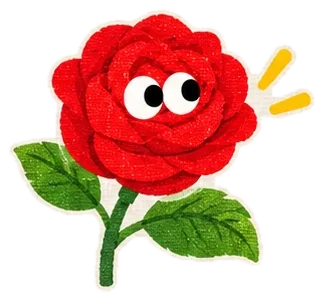 rose
From heysaylo.com/resources/phonological-awareness-activities. Free to print and use; please don’t sell.
Rhyme match cards: set 2
Cut along the dashed lines. Each row is a rhyming pair, so keep an uncut copy as your answer key. Bear and chair, and snail and whale, rhyme even though they’re spelled differently.
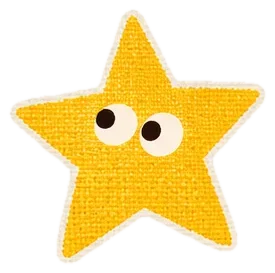 star
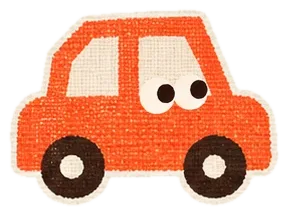 car
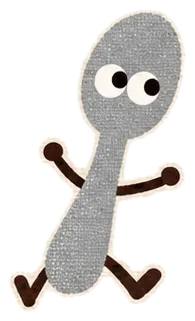 spoon
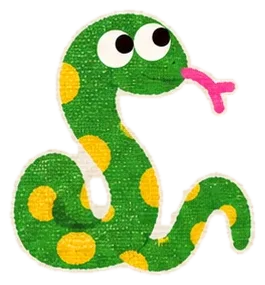 snake
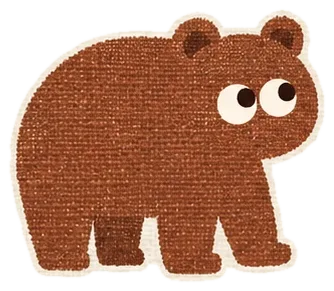 bear
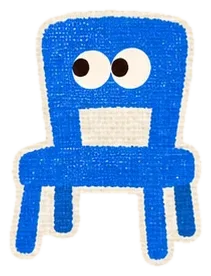 chair
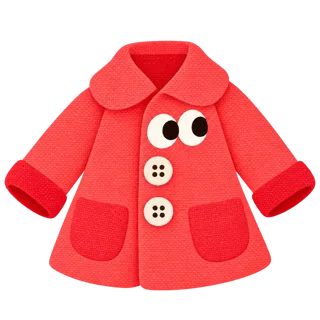 coat
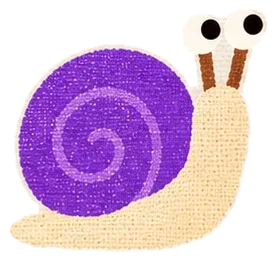 snail
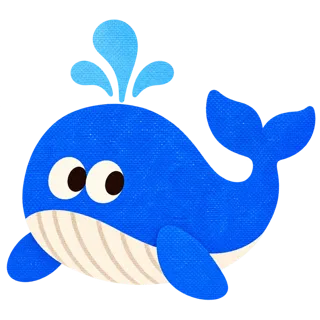 whale
From heysaylo.com/resources/phonological-awareness-activities. Free to print and use; please don’t sell.
Rhyme match cards: set 3
Cut along the dashed lines. Each row is a rhyming pair, so keep an uncut copy as your answer key. Bone and phone rhyme even though phone starts with ph: rhyme is about sound, not spelling.
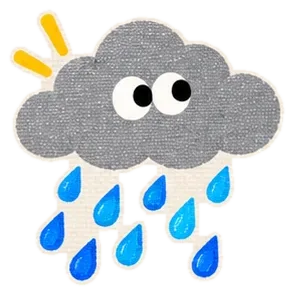 rain
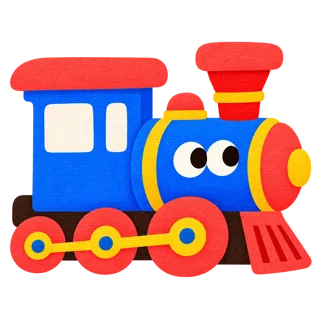 train
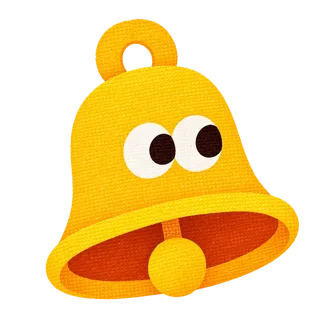 bell
 shell
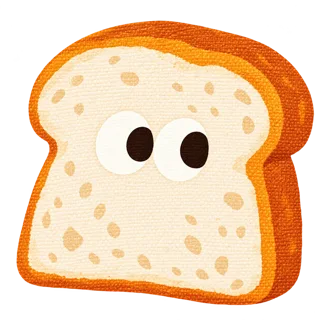 bread
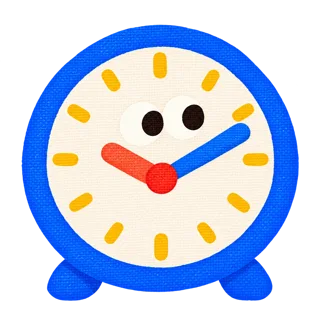 clock
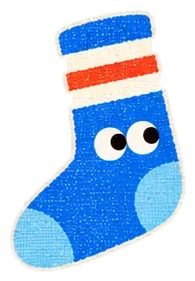 sock
From heysaylo.com/resources/phonological-awareness-activities. Free to print and use; please don’t sell.
Rhyme or not? Word pairs to say
Say both words. The child says yes or no, or shows a thumbs up or down. Pairs 1 to 10 are easier: words that don’t rhyme share no sounds. Pairs 11 to 20 are harder: words that don’t rhyme share a first sound, a vowel or a last sound. Then ask for a rhyme: “What rhymes with cat?” Made-up words count.
Name: ______________________ Date: ____________
| # | Say | Rhyme? | Child’s answer |
|---|---|---|---|
| 1 | cat … hat | Yes | |
| 2 | sun … tree | No | |
| 3 | bee … key | Yes | |
| 4 | fish … dish | Yes | |
| 5 | moon … cup | No | |
| 6 | cake … lake | Yes | |
| 7 | dog … shoe | No | |
| 8 | top … mop | Yes | |
| 9 | nose … hat | No | |
| 10 | fan … pan | Yes | |
| 11 | sun … sock | No | |
| 12 | bear … hair | Yes | |
| 13 | map … man | No | |
| 14 | shoe … moon | No | |
| 15 | hat … hot | No | |
| 16 | phone … bone | Yes | |
| 17 | cap … cat | No | |
| 18 | boat … coat | Yes | |
| 19 | pig … leg | No | |
| 20 | ball … tall | Yes |
From heysaylo.com/resources/phonological-awareness-activities. Free to print and use; please don’t sell.
First sound sort: M, S and B
Cut along the dashed lines. Each row is one sound: M, then S, then B. M and S are sounds you can hold (“mmm”, “sss”), which makes them easier to hear at the start of a word. Keep an uncut copy as your answer key.
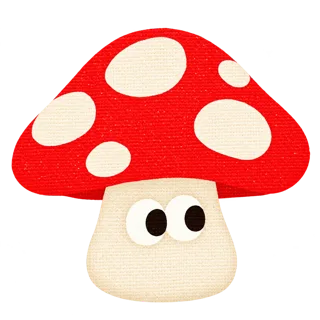 mushroom
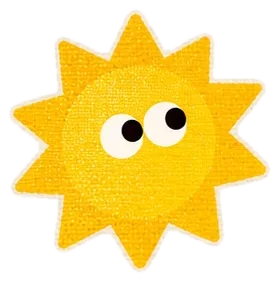 sun
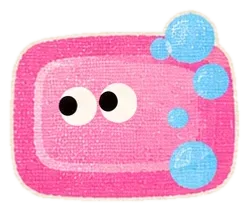 soap
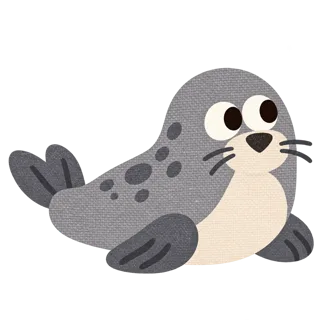 seal
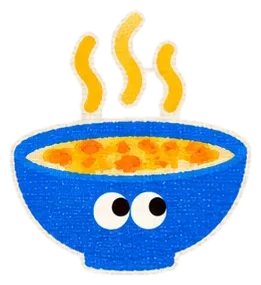 soup
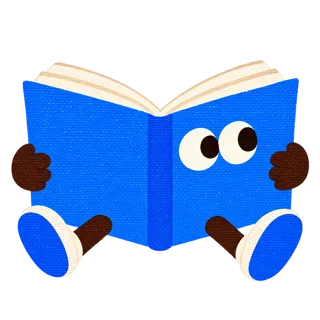 book
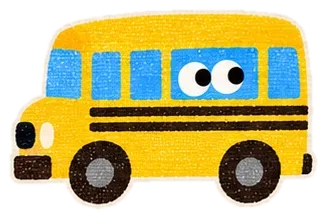 bus
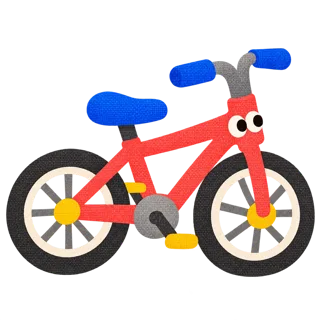 bike
From heysaylo.com/resources/phonological-awareness-activities. Free to print and use; please don’t sell.
First sound sort: K, F and H
Cut along the dashed lines. Each row is one sound: K, then F, then H. Cow and corn are spelled with c, and key and koala with k, but all four start with the same K sound. Sort by what you hear, not by the letter. Keep an uncut copy as your answer key.
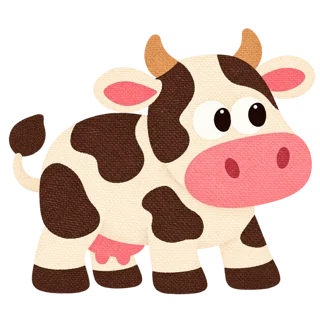 cow
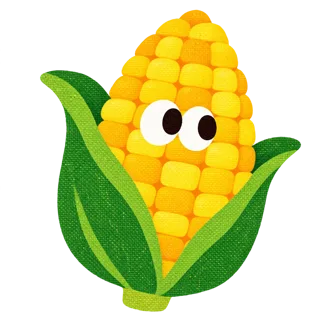 corn
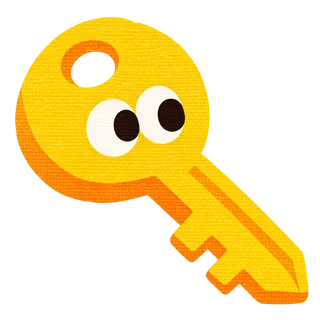 key
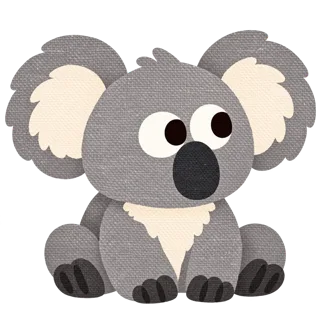 koala
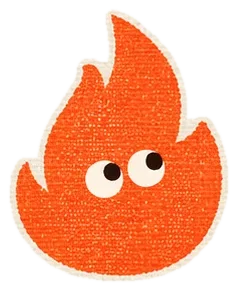 fire
From heysaylo.com/resources/phonological-awareness-activities. Free to print and use; please don’t sell.
Blending: syllables and word parts
Say the parts with a short pause between them, then ask “What word is that?” Rows 1 to 4 are syllables; rows 5 to 14 are onset and rime (the first sound or sounds, then the rest).
Say each sound, not the letter’s name: /s/ is “sss”, /m/ is “mmm”, /k/ is the K sound whether it’s spelled c or k. Vowels: /a/ as in cat, /e/ bed, /i/ pig, /o/ hot, /u/ sun, /ee/ bee, /oo/ moon, /oa/ boat, /ie/ pie, /ay/ rain.
| # | Say | Word | Child’s answer |
|---|---|---|---|
| 1 | pop … corn | popcorn | |
| 2 | rab … bit | rabbit | |
| 3 | pen … cil | pencil | |
| 4 | ba … na … na | banana | |
| 5 | /s/ … /un/ | sun | |
| 6 | /m/ … /op/ | mop | |
| 7 | /f/ … /ish/ | fish | |
| 8 | /b/ … /ed/ | bed | |
| 9 | /h/ … /at/ | hat | |
| 10 | /p/ … /ig/ | pig | |
| 11 | /tr/ … /ee/ | tree | |
| 12 | /sp/ … /oon/ | spoon | |
| 13 | /st/ … /ar/ | star | |
| 14 | /fr/ … /og/ | frog |
From heysaylo.com/resources/phonological-awareness-activities. Free to print and use; please don’t sell.
Blending: single sounds
Say each sound with a short pause, then ask “What word is that?” Rows 1 and 2 have two sounds, rows 3 to 9 have three and rows 10 to 12 have four (they start with a blend). Phone starts with /f/ and nose ends with /z/: go by sound.
Say each sound, not the letter’s name: /s/ is “sss”, /m/ is “mmm”, /k/ is the K sound whether it’s spelled c or k. Vowels: /a/ as in cat, /e/ bed, /i/ pig, /o/ hot, /u/ sun, /ee/ bee, /oo/ moon, /oa/ boat, /ie/ pie, /ay/ rain.
| # | Say | Word | Child’s answer |
|---|---|---|---|
| 1 | /b/ /ee/ | bee | |
| 2 | /sh/ /oo/ | shoe | |
| 3 | /m/ /a/ /p/ | map | |
| 4 | /s/ /u/ /n/ | sun | |
| 5 | /f/ /i/ /sh/ | fish | |
| 6 | /m/ /oo/ /n/ | moon | |
| 7 | /k/ /a/ /t/ | cat | |
| 8 | /f/ /oa/ /n/ | phone | |
| 9 | /n/ /oa/ /z/ | nose | |
| 10 | /s/ /t/ /o/ /p/ | stop | |
| 11 | /f/ /r/ /o/ /g/ | frog | |
| 12 | /h/ /a/ /n/ /d/ | hand |
From heysaylo.com/resources/phonological-awareness-activities. Free to print and use; please don’t sell.
Sound boxes: say each sound
Say the word slowly. The child pushes a counter (a coin, button or block) into a box for each sound, then runs a finger under the boxes and says the word again. There’s one box per sound, not per letter: “sheep” has three sounds and three boxes. The small line under the boxes is your key. Once the child knows some letters, they can write a letter in each box instead.
 tea
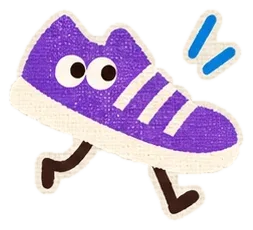 shoe
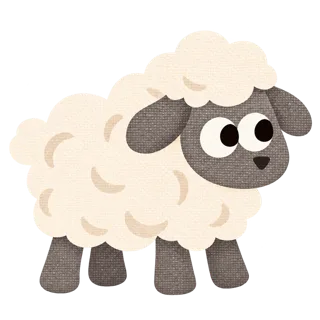 sheep
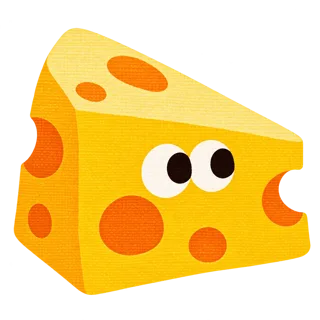 cheese
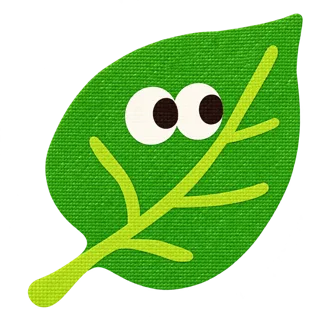 leaf
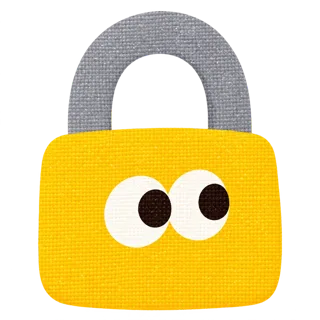 lock
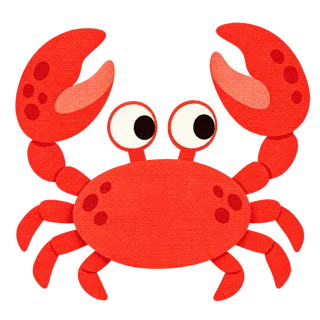 crab
From heysaylo.com/resources/phonological-awareness-activities. Free to print and use; please don’t sell.
Phonological awareness skills checklist
Name: ______________________ Goal: ____________________________________
Try 5 or 10 of each task and write the score, such as 8/10, under the date. The rows go roughly from larger sound units to smaller ones, but children don’t learn them strictly one at a time.
| Skill | Try this | Date: | Date: | Date: | Date: |
|---|---|---|---|---|---|
| Count words | “The dog ran.” How many words? | ||||
| Compound words | cow + boy = ? / Say cowboy without cow. | ||||
| Clap syllables | Clap “rabbit” (2) | ||||
| Blend syllables | “ba … na … na” = ? | ||||
| Hear a rhyme | Do cat and hat rhyme? | ||||
| Make a rhyme | What rhymes with bee? | ||||
| Blend onset and rime | /s/ … /un/ = ? | ||||
| First sound | What’s the first sound in “moon”? | ||||
| Sort by first sound | Sort M, S and B pictures | ||||
| Last sound | What’s the last sound in “bus”? | ||||
| Blend sounds | /m/ /a/ /p/ = ? | ||||
| Segment sounds | Say each sound in “sun” | ||||
| Segment with a blend | Say each sound in “frog” (4) | ||||
| Sounds to letters | Which letter makes /m/? |
From heysaylo.com/resources/phonological-awareness-activities. Free to print and use; please don’t sell.
How to use these sheets
- Start where the child is. Use the checklist to find the first row the child finds hard, and start one step before it.
- Model first. Do one or two yourself (“Listen: rab… bit. Two claps.”) before asking the child.
- Pick one or two kinds of task at a time. The National Reading Panel found phonemic awareness teaching worked best when it focused on one or two kinds of sound task rather than many, taught children to work with sounds using letters, and was done in small groups (NICHD, 2000).
- Go by sound. Cow and key start with the same sound; bear and chair rhyme. If a child’s answer works by sound, it’s right.
- Add letters when the child is ready. A US Department of Education practice guide suggests moving from counters in sound boxes to letter tiles, then to writing the letters, once children have learned some letter sounds (Foorman et al., 2016).
The order skills usually develop
Phonological awareness is awareness of the sound structure of a language and the ability to analyze and change it. ASHA describes tasks such as segmenting and blending at the word, onset–rime, syllable and phoneme levels (ASHA). For definitions and typical ages, see what is phonological awareness?
| Level | Example | Sheets |
|---|---|---|
| Words | Count the words in “The dog ran”, or say cowboy without cow | Checklist |
| Syllables | Clap “banana”: ba-na-na | Syllable cards, blending list |
| Onset and rime | Rhyme (cat, hat), or blend /s/ … /un/ into sun | Rhyme cards, rhyme or not, blending list |
| Phonemes (single sounds) | The first sound in moon; the three sounds in sun | First sound sorts, blending list, sound boxes |
A US Department of Education practice guide recommends starting with words, then syllables, then onsets and rimes, and then single sounds, and gives this recommendation a strong evidence rating (Foorman et al., 2016). In a study of 947 children aged 2 to 5, skills developed in roughly that order, from larger units to smaller ones, but the levels overlapped rather than arriving one at a time (Anthony et al., 2003). So use the order as a guide, not a rule.
The same practice guide suggests beginning single-sound work with two- or three-sound words like sun and dig, using sounds you can hold, like f, m and s, before sounds you can’t, and using words that differ by one sound, like dog and dig, for children who find it hard to hear the difference (Foorman et al., 2016).
Why it matters for children with speech sound disorders
ASHA notes that even children with mild speech sound disorders can have a higher risk of literacy-related difficulties, such as phonological awareness and spelling, and that weak speech sound skills in kindergarten have been linked to lower literacy, especially when a child also has language or phonological awareness difficulties (ASHA). Children at risk for reading problems in preschool and kindergarten are likely to struggle with phonological awareness and phonics (ASHA).
The risk isn’t the same for every child. In a UK study, a speech sound disorder at 3½ brought a small but significant risk of weaker phonemic skills and spelling at 5½; a co-occurring language impairment strongly predicted literacy, and a family risk of dyslexia added to it (Hayiou-Thomas et al., 2017). In a US study of 25 children, those whose preschool speech errors were more than 10% atypical had lower phonological awareness and literacy scores at about age 8 (Preston et al., 2013). See does a speech sound disorder affect reading?
Building it into speech therapy
ASHA describes integrated phonological awareness as an approach where phoneme awareness tasks and letter–sound knowledge are built into speech sound intervention. Skills it may target include rhyme, phoneme identity, segmentation, blending, manipulation and linking speech to print (ASHA).
In a New Zealand study of 91 children aged 5 to 7, 61 of whom had spoken language impairment with speech difficulties, children who had an integrated phonological awareness program for 4½ months made significantly more gains in phonological awareness and reading than children who had traditional speech and language intervention or minimal intervention, and their speech improved too (Gillon, 2000). About 11 months later, the children who had the program kept growing in phoneme awareness and word reading, and most were reading words at or above the level expected for their age; the control group with language impairment made little progress in phoneme awareness (Gillon, 2002).
It can start young. In a study of 12 children with moderate or severe speech impairment from age 3, phoneme awareness and letter activities were added to speech intervention (25.5 sessions on average from 3 to 5). Phoneme awareness grew alongside speech intelligibility, and the activities went with successful early reading and spelling at 6 (Gillon, 2005). These are small studies, so use your own data to see what works for each child.
- Use the child’s target sound. If a child is working on S, use the S row of the first sound sort, or blend /s/ … /un/, and ask them to say the word back.
- Use minimal pairs. Contrasts like “sea” and “tea” train listening for one sound, and the minimal pairs word lists and minimal pairs flash cards pair well with the sound boxes.
- Link sounds to letters. After segmenting, show which letter goes in each box.
Ideas for groups and home
- Rhyme memory. Lay one set of rhyme cards face down. A match is two cards that rhyme, and the child says both words.
- Syllable hop. Put the 1, 2, 3 and 4 clap labels on the floor. Each child turns over a card, claps it and hops to the right label.
- First sound I spy. “I spy something that starts with /m/.” Use the first sound cards or things in the room.
- Robot talk. Say a word in a robot voice, one sound at a time: /m/ /a/ /p/. The group blends it back.
- Pass it on. In a group, the next child makes a rhyme, real or made up, for the last child’s word.
- Send it home. Send one sheet of cards with one game to play, with the home practice handouts. More ideas for families are in speech practice at home and speech practice games.
How the pictures and words were chosen
- By sound, not spelling, in General American English. Phone starts with an F sound, cow and key start with the same K sound, and nose ends with a Z sound.
- Rhymes that rhyme in General American. Pairs such as dog and frog were left out, because they don’t rhyme for every speaker. If a pair doesn’t rhyme in a child’s dialect, skip it.
- Syllable counts that don’t change between speakers. Words like fire, flower and broccoli were left out, because people say them with different numbers of syllables.
- One sound to start. First sound cards start with a single consonant, not a blend, so the first sound is clear.
- One box per sound. Sound box words have 2, 3 or 4 sounds, and words with a vowel and R, like star and chair, were left out because their sounds are hard to count.
- Pictures a young child would name. Each word appears once on the page. Many cards use hand-painted pictures; the rest are emoji.
More free printables
Track phonological awareness goals with the speech therapy data sheets. For speech sound targets, try the minimal pairs word lists, speech picture cards or the phonological processes chart. Any of the cards work with the speech therapy game board.
Common questions
What are phonological awareness activities?
Games and tasks that help children notice and play with the sounds in spoken words: clapping syllables, hearing and making rhymes, finding the first sound in a word, blending sounds into a word and splitting a word into its sounds.
In what order should I teach phonological awareness skills?
A US Department of Education practice guide recommends starting with words, then syllables, then onsets and rimes, then single sounds. Research finds children develop them in roughly that order, though the levels overlap.
What are good rhyming activities for speech therapy?
Rhyme memory with picture pairs, “rhyme or not?” with a thumbs up or down, and asking for a rhyme, real or made up. Start with pairs that share no other sounds, then try harder pairs like map and man.
Why work on phonological awareness with children who have speech sound disorders?
Some children with speech sound disorders have weaker phonological awareness and a higher risk of reading and spelling difficulties. In small studies, building sound awareness and letter activities into speech therapy improved sound awareness and early reading, and speech improved too.
What are sound boxes?
A row of boxes, one for each sound in a word (also called Elkonin boxes). The child pushes a counter into a box for each sound they say, then blends the sounds back together. Later they write a letter in each box.
Can I print these phonological awareness activities for my caseload?
Yes. They’re free to print and use with your students and clients and to send home. Please don’t sell them.
Request a resource or send feedback
Want another version of this, or something new? Spotted a mistake? Tell us.
Sources
- ASHA Practice Portal: Speech sound disorders (articulation and phonology).
- ASHA Practice Portal: Written language disorders.
- Foorman, B., et al. (2016, revised 2019). Foundational skills to support reading for understanding in kindergarten through 3rd grade. What Works Clearinghouse practice guide. Institute of Education Sciences, US Department of Education.
- Anthony, J. L., Lonigan, C. J., Driscoll, K., Phillips, B. M., & Burgess, S. R. (2003). Phonological sensitivity: A quasi-parallel progression of word structure units and cognitive operations. Reading Research Quarterly, 38(4), 470–487.
- National Institute of Child Health and Human Development (2000). Report of the National Reading Panel: Teaching children to read (NIH Publication No. 00-4769): Findings and determinations.
- Hayiou-Thomas, M. E., Carroll, J. M., Leavett, R., Hulme, C., & Snowling, M. J. (2017). When does speech sound disorder matter for literacy? The role of disordered speech errors, co-occurring language impairment and family risk of dyslexia. Journal of Child Psychology and Psychiatry, 58(2), 197–205.
- Preston, J. L., Hull, M., & Edwards, M. L. (2013). Preschool speech error patterns predict articulation and phonological awareness outcomes in children with histories of speech sound disorders. American Journal of Speech-Language Pathology, 22(2), 173–184.
- Gillon, G. T. (2000). The efficacy of phonological awareness intervention for children with spoken language impairment. Language, Speech, and Hearing Services in Schools, 31(2), 126–141.
- Gillon, G. T. (2002). Follow-up study investigating the benefits of phonological awareness intervention for children with spoken language impairment. International Journal of Language & Communication Disorders, 37(4), 381–400.
- Gillon, G. T. (2005). Facilitating phoneme awareness development in 3- and 4-year-old children with speech impairment. Language, Speech, and Hearing Services in Schools, 36(4), 308–324.