
Free resource for speech-language pathologists (SLPs)
Free printable minimal pairs flash cards
Updated
How to use it
Six sheets of picture cards, one per phonological pattern. Each row is a minimal pair: the target word on the left and the word the child’s error makes on the right, both with a picture for children who can’t read yet. Every pair differs by one sound, and both words have a clear picture. Where fewer than six pairs passed that test, the sheet has blank cards to write or draw your own. A speech-language pathologist (SLP) can use them for listening, sorting and saying games.
How to print
- Pick the pages. Everything is ticked. Untick what you don’t need, or use a shortcut below.
- Press Print. Each page prints on its own sheet of US letter paper.
- Choose your printer in the print window, or “Save as PDF” to keep a copy.
Final consonant deletion
Cut along the dashed lines. Each row is one pair: the target word on the left, the contrast word on the right. The note on each card gives the pair number, so you can sort them again after a game.
The target word ends in a consonant; the contrast word is the same word without it.
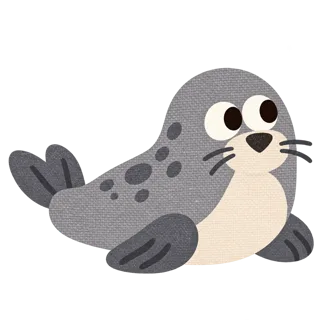 sealPair 1
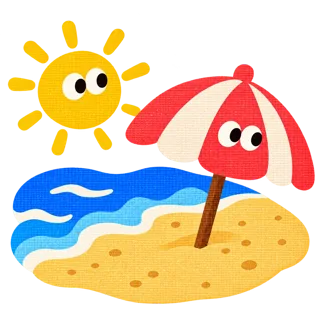 beachPair 2
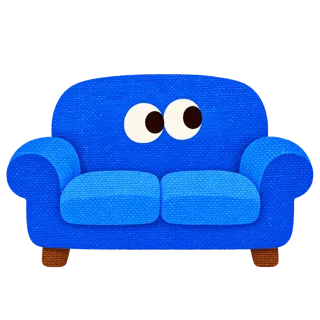 couchPair 3
 cowPair 3
 icePair 4
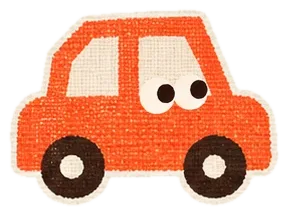 carPair 5
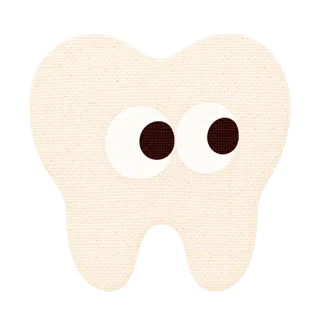 toothPair 6
From heysaylo.com/resources/minimal-pairs-flash-cards. Free to print and use; please don’t sell.
Velar fronting
Cut along the dashed lines. Each row is one pair: the target word on the left, the contrast word on the right. The note on each card gives the pair number, so you can sort them again after a game.
Target: K or G. Contrast: T or D, the sound a child who fronts uses instead. Pair 1 is K vs T; pair 2 is G vs D. Only two pairs had a clear picture for both words, so pairs 3 to 6 are blank: write or draw your own.
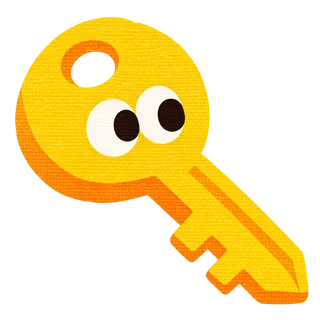 keyPair 1
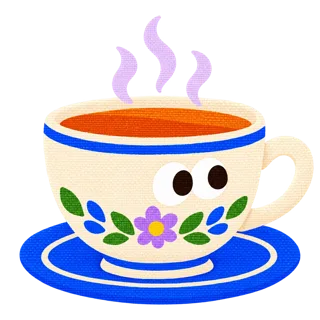 teaPair 1
From heysaylo.com/resources/minimal-pairs-flash-cards. Free to print and use; please don’t sell.
Stopping
Cut along the dashed lines. Each row is one pair: the target word on the left, the contrast word on the right. The note on each card gives the pair number, so you can sort them again after a game.
Target: a fricative (S, TH or SH). Contrast: T, the stop a child uses instead. Pair 1 is S vs T, pairs 2 and 4 are TH vs T, pair 3 is SH vs T. Pairs 5 and 6 are blank for your own.
teaPair 1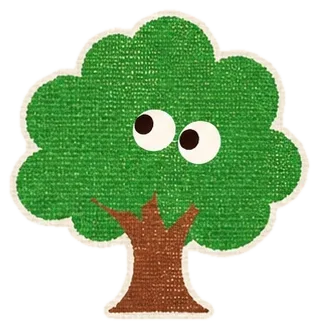 treePair 2
 shoePair 3
From heysaylo.com/resources/minimal-pairs-flash-cards. Free to print and use; please don’t sell.
Gliding
Cut along the dashed lines. Each row is one pair: the target word on the left, the contrast word on the right. The note on each card gives the pair number, so you can sort them again after a game.
Target: R or L at the start of the word. Contrast: W. Pair 1 is R vs W (“one” starts with a W sound). Only one pair had a clear picture for both words, so pairs 2 to 6 are blank: write or draw your own (for example ring and wing, or light and white).
 runPair 1
From heysaylo.com/resources/minimal-pairs-flash-cards. Free to print and use; please don’t sell.
Cluster reduction
Cut along the dashed lines. Each row is one pair: the target word on the left, the contrast word on the right. The note on each card gives the pair number, so you can sort them again after a game.
Target: a word with an L or R cluster. Contrast: the same word with one sound of the cluster left out. In pairs 1, 4 and 5 the R drops (“tree” becomes “tea”); in pair 3 the L drops; in pairs 2 and 6 the first sound drops (“clock” becomes “lock”).
treePair 1teaPair 1 clockPair 2
 lockPair 2
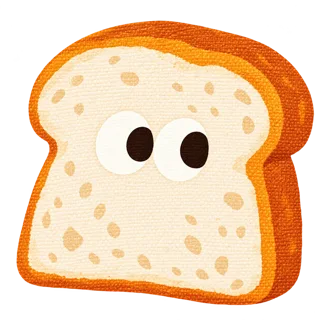 breadPair 4
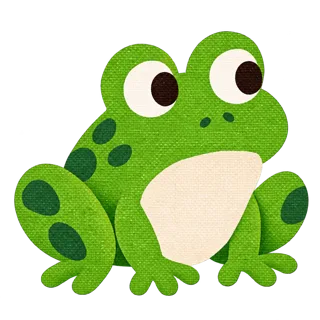 frogPair 5
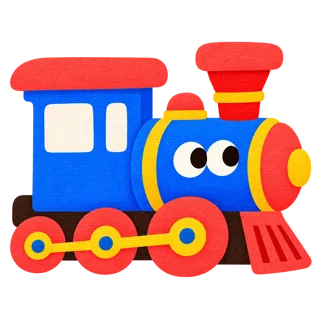 trainPair 6
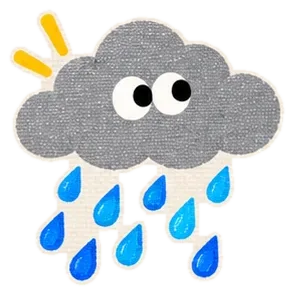 rainPair 6
From heysaylo.com/resources/minimal-pairs-flash-cards. Free to print and use; please don’t sell.
Voicing
Cut along the dashed lines. Each row is one pair: the target word on the left, the contrast word on the right. The note on each card gives the pair number, so you can sort them again after a game.
Pairs 1 to 3 are prevocalic voicing: the target starts with P or K, the contrast with B or G. Pair 4 is final devoicing: the target “eyes” ends in a Z sound, the contrast “ice” in an S sound. Pairs 5 and 6 are blank for your own.
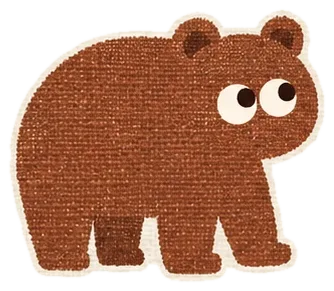 bearPair 1beachPair 2
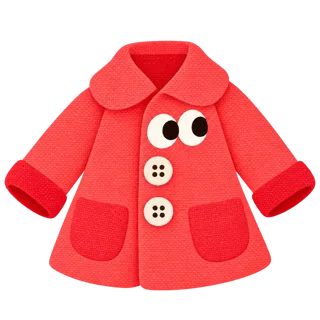 coatPair 3
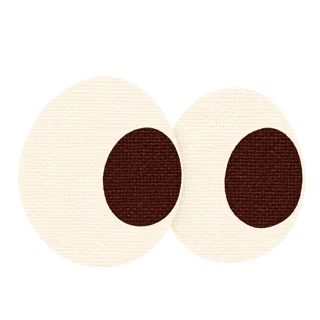 eyesPair 4icePair 4
From heysaylo.com/resources/minimal-pairs-flash-cards. Free to print and use; please don’t sell.
How to use minimal pair cards
Minimal pairs therapy (also called minimal oppositions) uses pairs of words that differ by only one sound, where the difference changes the meaning (ASHA). If a child says “tea” for “key”, the cards make the difference matter: you hand over the picture they named, and it’s the wrong one.
- Teach the words first. Check the child knows both pictures in a pair before you play, especially the less familiar ones such as “gear” and “fog”.
- Listen first. Say one word from a pair and have the child point to or pick up the picture.
- Then say them. The child names a picture for you to find. If they say the contrast word, pick up that picture and let them try again.
- Move to phrases once single words are steady, such as “find the key” or “the bee is on the beach”.
Conventional minimal pairs are one of several contrast approaches. A 2022 tutorial suggests they suit children with a small number of errors, such as older children or children with mild speech sound disorders, while maximal or multiple oppositions may suit children with more errors (Storkel, 2022). For a full walk-through, see minimal pairs therapy.
Which pattern each sheet targets
| Pattern | What happens (ASHA) | Usually gone by (ASHA) |
|---|---|---|
| Final consonant deletion | The final consonant of a word is left off: “no” for “nose” | Age 3 |
| Velar fronting | A back sound is made at the front: “tat” for “cat”, “date” for “gate” | Age 4 |
| Stopping | A stop replaces a fricative or affricate: “tee” for “see” | Age 3 for S and F; age 5 for SH, CH, J and voiced TH |
| Gliding | W or Y replaces R or L: “wabbit” for “rabbit” | Ages 6 to 7 |
| Cluster reduction | A cluster becomes one sound: “top” for “stop”, “keen” for “clean” | Age 4 for clusters without S; age 5 with S |
These ages are a guide: ASHA notes they can vary greatly from child to child, especially for children who use more than one dialect (ASHA). ASHA’s list doesn’t give an age for voicing patterns or for the voiceless TH in “three” and “bath”. More in phonological processes by age, final consonant deletion therapy, velar fronting therapy and gliding speech therapy.
Why some sheets have blank cards, and there’s no S vs SH sheet
Every card needs a picture that shows the word itself, not something close to it, and both words in a pair need one. Many good minimal pairs fail that test: “cap” has a clear picture but “tap” doesn’t, and “ship” has one but “sip” doesn’t. Those pairs are left out rather than shown with a picture a child could read as a different word. The pictures are emoji from sets that almost every phone and computer shows.
For S vs SH, no pair had a clear picture for both words, so there’s no sheet. Use the S vs SH list in the free minimal pairs word lists with your own pictures, or write those words on the blank cards here.
Notes on the words
- Words are checked by sound, not spelling, for General American English. “One” goes on the W side because it starts with a W sound; “two” stands in for the number, shown as 2.
- A few pairs depend on accent. “Bath” and “bat” share a vowel in General American English but not in many British accents, and “frog” and “fog” need the same vowel in the child’s speech. Skip any pair that isn’t a true minimal pair for the child. ASHA is clear that a dialect that doesn’t use a sound isn’t an error pattern (ASHA).
- Some words appear on more than one sheet (“tea”, “ice”, “beach”), so print only the sheets you need, or keep each sheet’s set separate.
- For logging trials, see the speech therapy data sheets; for sending practice home, see the home practice handouts.
Games to play with the cards
- Go fish. Print two copies of a sheet. Ask for a card by name; if you hear the contrast word, hand over that card instead.
- Memory. Lay a sheet’s cards face down and turn over two at a time. The child names each card; a match is the same picture twice (print two copies).
- Post office. Name a card for the child to “post” in a box or bag, then swap roles so the child is the speaker.
- Sort into two piles. Mix the target and contrast cards and sort them by sound, saying each word as it goes down.
Common questions
What are minimal pair cards?
Picture cards for pairs of words that differ by one sound, such as “key” and “tea”. Children use them to hear and say the difference, because picking the wrong card shows that the sound changes the word.
Why aren’t there more pairs on some sheets?
Each card uses a picture that shows the word, and both words in a pair need one. Where too few pairs passed that test, the sheet has blank cards so you can add your own.
Is there an S vs SH sheet?
No. No S vs SH pair had a clear picture for both words. The S vs SH list in the free minimal pairs word lists works with your own drawings or the blank cards.
Can parents use these cards at home?
Yes, as practice alongside speech therapy. Ask your child’s SLP which sheet to use and how they want home practice to run, since the right pattern depends on the child.
Request a resource or send feedback
Want another version of this, or something new? Spotted a mistake? Tell us.
Sources
- ASHA Practice Portal: Speech sound disorders (articulation and phonology).
- Storkel, H. L. (2022). Minimal, maximal, or multiple: Which contrastive intervention approach to use with children with speech sound disorders? Language, Speech, and Hearing Services in Schools, 53(3), 632–645.
- ASHA Practice Portal: Selected phonological patterns.