Free resource for speech-language pathologists (SLPs)
Free articulation screener with picture cards and a record sheet
Updated
How to use it
A quick, informal picture-naming screener for the sounds children learn later. Three pages of 12 pictures cover R, vocalic R, S, Z, L, SH, CH, J, TH, K, G, F and V at the start and end of words, with a middle word for some, plus four early sounds as a warm-up. Mark the one-page record sheet as the child names each picture, check stimulability on errors, and compare with the ages page, from a review of US studies. It isn’t a standardized test and gives no score: it helps a speech-language pathologist (SLP) decide whether to look closer.
How to print
- Pick the pages. Everything is ticked. Untick what you don’t need, or use a shortcut below.
- Press Print. Each page prints on its own sheet of US letter paper.
- Choose your printer in the print window, or “Save as PDF” to keep a copy.
Print the three picture pages once and reuse them, on card stock if you can. Print a new record sheet for each child.
Picture page 1: P, B, M, D, K, G, F and V
Show one page at a time. Point to each picture and ask “What’s this?” No cutting needed.
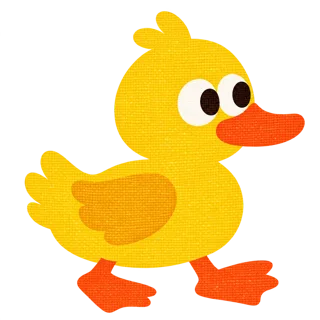 duckD start
 keyK start
 bookK end
 leafF end
From heysaylo.com/resources/articulation-screener. Free to print and use; please don’t sell.
Picture page 2: S, Z, L, SH and CH
Show one page at a time. Point to each picture and ask “What’s this?” No cutting needed.
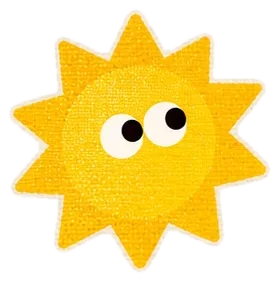 sunS start
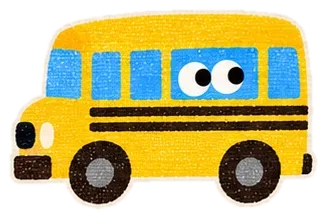 busS end
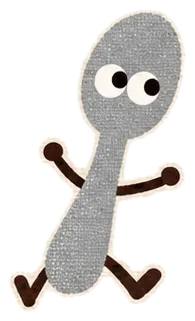 spoonS blend (SP)
 lionL start
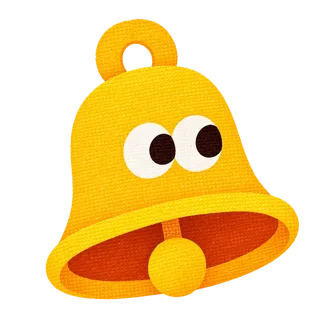 bellL end
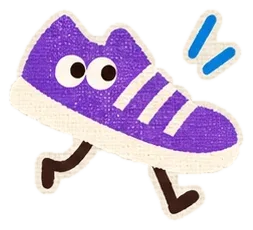 shoeSH start
 fishSH end
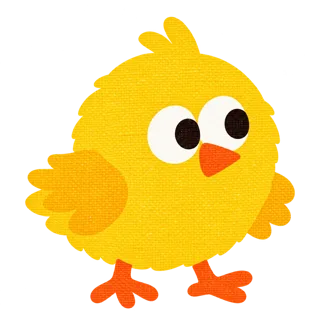 chickCH start
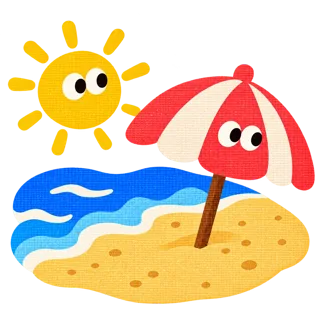 beachCH end
From heysaylo.com/resources/articulation-screener. Free to print and use; please don’t sell.
Picture page 3: J, TH and R
Show one page at a time. Point to each picture and ask “What’s this?” No cutting needed.
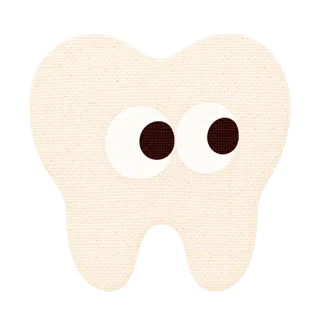 toothTH end
 rocketR start
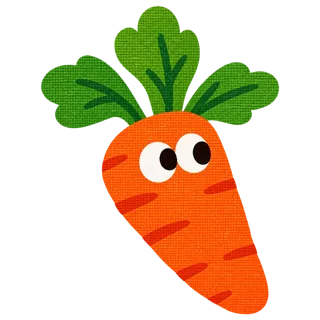 carrotR middle
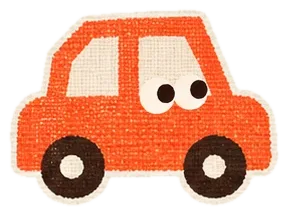 carvocalic AR
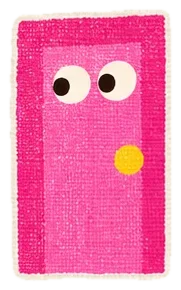 doorvocalic OR
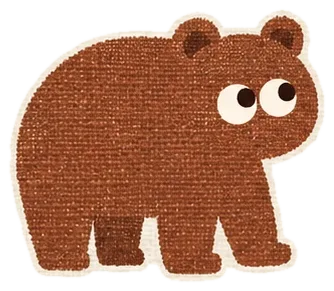 bearvocalic AIR
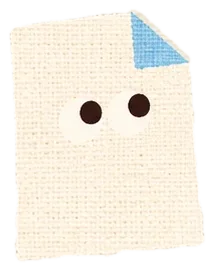 paperunstressed ER
From heysaylo.com/resources/articulation-screener. Free to print and use; please don’t sell.
Articulation screener record sheet
Child: ________________ Age: ______ Date: ____________ Languages and dialect: ________________
On each line, write ✓ for a correct sound, or what you heard: “tun” for sun, D for distorted, — for left out. Write “imitated” in Notes if you said the word first. For errors, circle Y if the child says the sound right after your model.
| Sound | Start | Middle | End | Stimulable? | Notes |
|---|---|---|---|---|---|
| P | pie ____ | — | — | Y · N | |
| B | bee ____ | — | — | Y · N | |
| M | moon ____ | — | — | Y · N | |
| D | duck ____ | — | — | Y · N | |
| K | key ____ | — | book ____ | Y · N | |
| G | goat ____ | — | pig ____ | Y · N | |
| F | foot ____ | — | leaf ____ | Y · N | |
| V | volcano ____ | — | wave ____ | Y · N | |
| S | sun ____ | — | bus ____ | Y · N | |
| S blend | spoon ____ | — | — | Y · N | |
| Z | zebra ____ | — | nose ____ | Y · N | |
| L | lion ____ | balloon ____ | bell ____ | Y · N | |
| SH | shoe ____ | — | fish ____ | Y · N | |
| CH | chick ____ | — | beach ____ | Y · N | |
| J | jeans ____ | — | sponge ____ | Y · N | |
| TH (thumb) | thumb ____ | — | tooth ____ | Y · N | |
| TH (this) | — | feather ____ | — | Y · N | |
| R | rocket ____ | carrot ____ | — | Y · N | |
| Vocalic R | — | — | car ____ door ____ bear ____ | Y · N | |
| Vocalic ER | — | bird ____ | paper ____ | Y · N |
A minute of talk (a favorite toy, show or picture), errors heard: ______________________________________
Result: pass · monitor and rescreen · refer for a full evaluation · other referral: ____________________
From heysaylo.com/resources/articulation-screener. Free to print and use; please don’t sell.
Speech sounds by age: when 90% of children say each sound
Ages are years;months. Each band is when 90% of US children in a review of 15 studies (18,907 children) said the sound correctly; “about” gives a closer age for some sounds (Crowe & McLeod, 2020). About 1 in 10 typically developing children get there later, so use it as a guide, not a cutoff.
| Sound | As in | 90% of children by | Words on this screener |
|---|---|---|---|
| B, N, M, P, H, W, D | bee, no, moon, pie, hat, wet, duck | 2;0–2;11 | pie, bee, moon, duck |
| G | go | 3;0–3;11 | goat, pig |
| K | key | 3;0–3;11 (about 3;2) | key, book |
| F | fun | 3;0–3;11 | foot, leaf |
| T, NG, Y | toe, ring, yes | 3;0–3;11 | — |
| V | van | 4;0–4;11 | volcano, wave |
| J | jam | 4;0–4;11 | jeans, sponge |
| S | sun | 4;0–4;11 (about 4;3) | sun, bus, spoon |
| CH | chair | 4;0–4;11 (about 4;6) | chick, beach |
| L | lion | 4;0–4;11 (about 4;6) | lion, balloon, bell |
| SH | shoe | 4;0–4;11 (about 4;7) | shoe, fish |
| Z | zoo | 4;0–4;11 (about 4;9) | zebra, nose |
| R | red | 5;0–5;11 (about 5;7) | rocket, carrot |
| TH (voiced) | this | 5;0–5;11 (about 5;9) | feather |
| ZH | treasure | 5;0–5;11 | — |
| TH (voiceless) | thumb | 6;0–6;11 (about 6;5) | thumb, tooth |
Vocalic R (car, door, bear, bird, paper) has no age here: the review covers consonants.
Dialect: judge each sound against the child’s own dialect. A dialect difference isn’t an error (ASHA).
From heysaylo.com/resources/articulation-screener. Free to print and use; please don’t sell.
A screener, not a test
This is an informal screener. It isn’t standardized, it has no norms of its own, and it gives no score. ASHA describes speech-language screening as a pass/fail procedure to identify children who need further assessment or referral to other services (ASHA, 2004). For speech sounds, the purpose of a screening is to find out whether a child needs a speech-language assessment or a referral for other professional services (ASHA).
It can’t diagnose a speech sound disorder or decide eligibility. That takes a full evaluation by an SLP. ASHA’s comprehensive speech sound assessment uses standardized tests where appropriate and other samples, in single words and connected speech, along with stimulability testing, an oral mechanism exam and a hearing screening (ASHA). In US schools, a screening to plan instruction isn’t an evaluation for special education eligibility (34 CFR 300.302), and services start only after a full and individual initial evaluation (34 CFR 300.301).
Don’t report a score or percentile from it. ASHA notes that standard scores can’t be reported for assessments that aren’t normed on a group representative of the child (ASHA), and this screener has no norms at all.
The pictures cover the single-word part. ASHA’s screening also typically includes connected speech, a look at oral motor function and facial structure, and an informal check of language (ASHA). The record sheet has a line for connected speech.
How to give it
- Show one page at a time. Point to each picture and ask “What’s this?” or “What do you call this?”
- If the child says another word, such as “pants” for jeans, give a hint about what it is and ask again. If that doesn’t work, say the word, have the child say it after you, and write “imitated” in the notes: a copied word isn’t the same as one the child says on their own.
- Listen for the target sound only. Each card’s note says which sound and where. Write ✓ if it’s right. If not, write what you heard: another sound (“tun” for sun), D for a distorted sound, or a dash if it was left out.
- Check stimulability on errors. Say the word and ask the child to copy you. ASHA defines stimulability as the child’s ability to accurately imitate a model of a sound they currently say in error (ASHA). See what is stimulability?
- Listen to a minute of talk. Ask about a favorite toy, show or picture. Single-word testing may or may not reflect how the child says sounds in connected speech (ASHA).
- Screen in the child’s language. ASHA says a screening is in the language the child normally uses at home or in their learning environment (ASHA). These words are English only.
Reading the results
Use the ages page as a guide. An error on a sound that 90% of children don’t say until later than the child’s age is still expected: an R error in a 4-year-old, for example. Errors on sounds well past their band, errors on many sounds, or speech that’s hard to understand are reasons to look closer, not a diagnosis. The review found variation across studies, assessments and cohorts, so treat the ages as a guide (Crowe & McLeod, 2020). For the full chart, see speech sounds by age.
ASHA lists the possible outcomes of a screening: speech that’s appropriate for the child’s age and linguistic community; monitoring and rescreening; referral to a multi-tiered system of supports (MTSS), such as response to intervention (RTI); referral for a comprehensive speech sound assessment; a language assessment if a language delay or disorder is suspected; a hearing evaluation by an audiologist if hearing loss is suspected; and referral for medical or other services (ASHA). The result line on the record sheet follows these.
Dialect and other languages
- Judge against the child’s dialect. ASHA notes that familiarity with the rules of a dialect is critical in setting expectations for speech sounds, and that a speech sound disorder isn’t determined by comparison to mainstream American English (ASHA). Mark a dialect feature as correct, and note it.
- Grammar can look like a sound error. ASHA’s example is a dialect that marks plurals by number (“I see six dog”), which could be mistaken for a missing final S (ASHA). That’s why the S and Z end words here (bus, nose) aren’t plurals.
- Pictures can miss, too. ASHA notes that pictures used to elicit sounds may not be culturally relevant to the child, and suggests probing an unexpected answer with a different prompt (ASHA).
- More than one language. ASHA says a disorder exists only if the child’s speech doesn’t reflect the patterns of the languages and dialects they know or use (ASHA).
How the words were chosen
- By sound, not spelling. Each word has the target sound where its note says, judged by how it’s said in General American English.
- Later sounds first. Most cards test sounds children learn later, such as R, S, Z, L, SH, CH, J, TH and V (Crowe & McLeod, 2020), at the start and end of words. Four early sounds (P, B, M, D) warm the child up.
- A middle word where it helps. Voiced TH has no start word a picture can show (this, that), so feather tests it in the middle. L and R also have a middle word (balloon, carrot).
- Easy sounds around the target where possible. Most words pair the target with early sounds, as in key, book and duck. A few couldn’t: zebra has an R, feather ends in vocalic R, and sponge starts with an S blend.
- A clear picture or no card. Each card has a hand-painted picture or an emoji checked against its official Unicode name. Only emoji from Unicode 13.0 or earlier are used, so they show on almost every phone and computer.
- What’s left out. Blends other than SP, and the sounds T, NG, Y, W, H, N and ZH. Add your own words in the notes column.
For more words per sound, the free articulation word lists go by position, and the speech therapy data sheets track practice once you’ve picked targets. For formal tests and what they measure, see speech-language assessments at a glance.
Common questions
Is this a standardized articulation test?
No. It’s an informal screener with no norms and no score. It helps you decide whether to look closer; diagnosis and eligibility need a full evaluation by an SLP.
What age is this articulation screener for?
There’s no set age range, since it has no norms. The pictures are everyday things young children can usually name. Use the ages page to see which errors are still expected at the child’s age.
What does “stimulable” mean on the record sheet?
The child says a sound correctly right after your model, even though they say it in error on their own. ASHA says stimulability testing helps show whether a sound is likely to be acquired without intervention and which targets suit therapy.
Can I use the screener for baseline data?
It gives one try per sound and position: enough to decide whether to look closer, but thin for a goal baseline. For that, probe the target sound in more words, such as from the free articulation word lists.
Request a resource or send feedback
Want another version of this, or something new? Spotted a mistake? Tell us.
Sources
- American Speech-Language-Hearing Association. (2004). Preferred practice patterns for the profession of speech-language pathology.
- ASHA Practice Portal: Speech sound disorders (articulation and phonology).
- Crowe, K., & McLeod, S. (2020). Children’s English consonant acquisition in the United States: A review. American Journal of Speech-Language Pathology, 29(4).
- IDEA regulations, 34 CFR 300.302: Screening for instructional purposes is not evaluation.
- IDEA regulations, 34 CFR 300.301: Initial evaluations.