Speech sound guide · /tʃ/ as in “chair”
My child can’t say the CH sound
Published · Updated
The short answer
CH is a T and an SH blended together. In a large review of US studies, 90% of children said CH correctly by about 4 years 6 months. Younger children often swap in SH, T or TS. If it continues past that age, ask a speech-language pathologist.
Most children say it by about 4½ (90% by 4 years 6 months)
How the CH sound is made
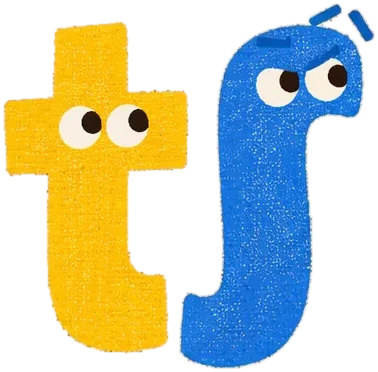
CH starts like T, with the tongue tip stopping the air behind the top teeth, then releases straight into SH. That’s why Saylo’s CH character is a T and an SH holding hands.
Common ways children say it differently
- Uses SH instead of CH
- “shair” for chair.
- Uses T or TS instead of CH
- “tair” or “tsair” for chair.
What the age means, and what it doesn’t
“90% by 4 years 6 months” means that in the pooled studies, nine in ten children said CH correctly by that age. About one in ten children who are developing typically get there later, so it’s a guide for when to ask, not a deadline. Ages come from US children learning English.
When to ask a speech therapist about CH
- Your child is past about about 4½ and still swaps or distorts CH.
- People outside the family often find your child hard to understand, or your child is frustrated or teased about how they talk.
- You’re worried. You don’t need to wait for a set age to ask.
More signs: Does my child need speech therapy? In the US, you can ask for a free speech evaluation, or find a certified SLP through ASHA ProFind.
CH practice words
At the start
chair, cheese, chick, chin
In the middle
kitchen, teacher, peaches, matches
At the end
lunch, watch, peach, beach
Use the words your child’s SLP picks first. For keeping practice low-pressure, see how to help at home, and for why a sound can work in sessions before it shows up in conversation, see carryover.
Questions parents ask about CH
When should a child say CH?
In the 2020 review of US studies, 90% of children said CH correctly by about 4 years 6 months.
Is CH related to SH and J?
Yes. CH is T plus SH, and J (as in jam) is its voiced partner. Children often learn these together.