
Free resource for speech-language pathologists (SLPs)
Free printable Z sound flash cards with pictures
Updated
How to use it
Two sheets of 12 picture cards, one page each. The first mixes Z at the start, in the middle and at the end of words; the second is all words for more than one thing, like “gloves” and “eyes”, where the ending is spelled S but said as Z. Each card has a picture and a small note saying where the Z is. Print two copies for memory match and go fish.
How to print
- Pick the pages. Everything is ticked. Untick what you don’t need, or use a shortcut below.
- Press Print. Each page prints on its own sheet of US letter paper.
- Choose your printer in the print window, or “Save as PDF” to keep a copy.
Z at the start, middle and end
Very few words that start with Z have a clear picture, so this sheet mixes positions. The note on each card says where the Z is. Cut along the dashed lines. Print on card stock if you can, and print two copies for memory match.
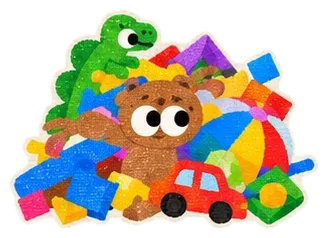 toysend
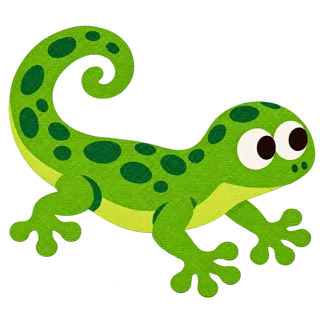 lizardmiddle
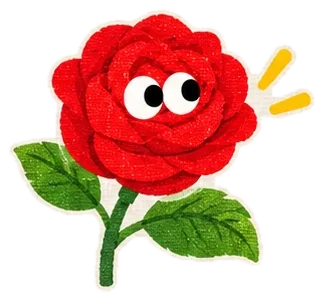 roseend
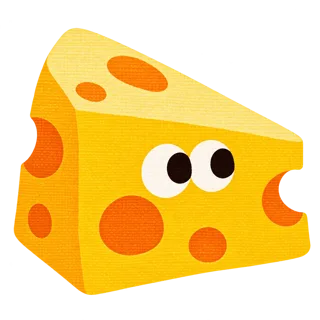 cheeseend
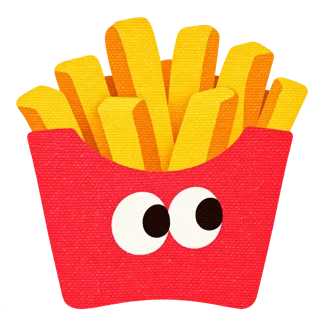 friesend
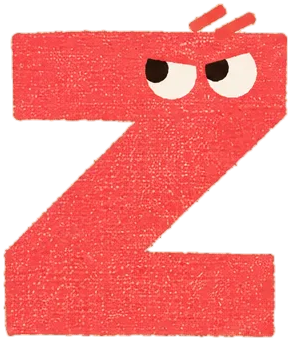
From heysaylo.com/resources/z-sound-flash-cards. Free to print and use; please don’t sell.
Z at the end: words for more than one
Each word ends in a Z sound, even though it’s spelled with S. Cut along the dashed lines. Print on card stock if you can, and print two copies for memory match.
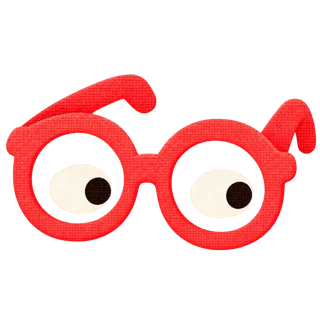 glassesend
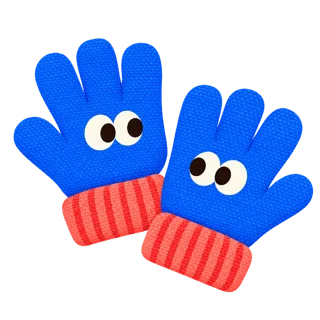 glovesend
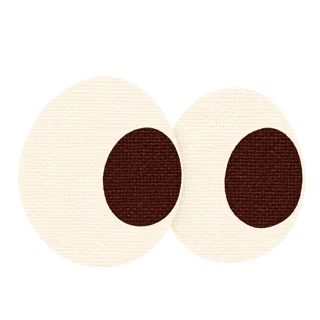 eyesend
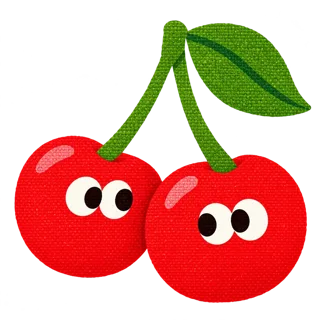 cherriesend
From heysaylo.com/resources/z-sound-flash-cards. Free to print and use; please don’t sell.
Ways to play
- Memory match. Print two copies of a sheet and lay the cards face down. The child says the word on every card they turn over, matched or not, so a game of 24 cards is at least 24 tries at Z.
- Go fish. Deal two copies of a sheet between players. Ask “Do you have a ___?” to fish for a pair: the question is a carrier phrase, a step up from single words.
- Hide and find. Hide the cards around the room or under cups. Each card the child finds gets said three times before the next search.
- A target per card. Set a number of tries for each card before the game starts, such as five. One sheet of 12 cards at five tries each is 60 practice trials.
- Sort and say. Mix two sheets and sort the cards by where the sound is, saying each word as it goes on its pile.
More game ideas, and how to keep the tries high while the game stays fun, are in speech practice games.
How many tries to aim for
The game is the wrapper; the tries are the practice. In two children with childhood apraxia of speech, targets practiced 100+ times in 15 minutes were learned faster, and generalized more to untrained words, than targets practiced 30 to 40 times in the same time (Edeal & Gildersleeve-Neumann, 2011). It was a study of two children, so take it as a reason to count tries rather than a number to hit.
How often practice happens matters too. In a trial of 54 preschoolers with speech sound disorders, sessions three times a week for 8 weeks led to more progress than the same number of sessions once a week (Allen, 2013). For more, see practice trials per session and speech sound therapy dosage.
Picking cards for the child’s level
ASHA describes speech sound treatment as establishing a sound first, then carrying it over at increasingly challenging levels, from syllables and words to phrases, sentences and conversation (ASHA). Flash cards sit at the word level, so pull out the cards that match where the child is with Z:
- Start with one position. Use only the sheet for the position the child’s speech-language pathologist (SLP) is working on, often the one the child finds easiest.
- Keep the set small. A handful of cards the child can say well with a model is a fine start. Add cards as the sound gets steadier.
- Check stimulability. ASHA defines stimulability as a child’s ability to imitate a correct model of a sound they currently say in error (ASHA). If the child can’t copy the sound yet, word cards may be too big a step for now.
- Z often follows S. Z is the voiced partner of S, made the same way with the voice switched on, and children who lisp on S usually lisp on Z too (see the Z sound guide). If the child is working on S, ask their SLP whether to add Z now or later.
- Move up a level. Once single words are steady, use the same cards in a carrier phrase (“I found a ___”) or have the child make up a sentence about each picture.
For how SLPs choose words by shape, context and relevance, see choosing target words for articulation. For longer lists by position, with phrases and sentences, see the free articulation word lists.
The Z sound guide
For when most children say Z, why it often lisps along with S, and more practice words, see the Z sound guide and the S sound guide.
For more Z words by position, with phrases and sentences, see the free articulation word lists. Pair these cards with the S sound flash cards to practice the two side by side.
How the cards were chosen
- By sound, not spelling. Each word has the target sound where its note says, judged by how it’s said in General American English.
- A clear picture or no card. Each emoji was checked against its official Unicode name, and words without an emoji that clearly shows them were left out. Only emoji from Unicode 13.0 or earlier are used, so they show on almost every phone and computer.
- Z by sound. “Cheese”, “nose” and “rose” are spelled with S or SE but end in a Z sound, and so do plurals such as “gloves”.
- Fewer cards than our other sounds. Only two Z-initial words have an emoji that clearly shows them, so this resource has two sheets rather than stretching pictures to fit.
- Dialect. ASHA notes that familiarity with the rules of a child’s dialect is critical in setting expectations for speech sounds (ASHA). Set aside any card that doesn’t fit how the child’s family talks.
Common questions
Why are words like “eyes” and “jeans” on a Z sheet?
Because the S at the end of those words is said as a Z. Sorting by sound rather than spelling means the child practices the sound they’ll actually say.
Why are there so few cards for Z at the start of words?
Very few words that start with Z have a clear picture. Rather than use a picture that only roughly fits, the two start-of-word cards share a sheet with middle and end cards.
Should my child work on S and Z at the same time?
Sometimes, since the two sounds use the same tongue position. Ask your child’s SLP, who can say whether to add Z now or after S is steady.
Request a resource or send feedback
Want another version of this, or something new? Spotted a mistake? Tell us.
Sources
- Edeal, D. M., & Gildersleeve-Neumann, C. E. (2011). The importance of production frequency in therapy for childhood apraxia of speech. American Journal of Speech-Language Pathology, 20(2), 95–110.
- Allen, M. M. (2013). Intervention efficacy and intensity for children with speech sound disorder. Journal of Speech, Language, and Hearing Research, 56(3), 865–877.
- ASHA Practice Portal: Speech sound disorders (articulation and phonology).