
Free resource for speech-language pathologists (SLPs)
Free printable first-then board and visual schedule
Updated
How to use it
A first-then board shows two things in order: what happens now, and what comes next. A visual schedule shows a few more steps, top to bottom. Both help a child see what’s coming instead of holding it in their head. Print the board, the schedule strip and the cards, then cut the cards out. Put a card in each box, point and say it: “First book, then swing.” When a step is done, the card moves to Finished. The blank cards are for the child’s own activities, places and people. The child’s speech-language pathologist (SLP) or teacher can help choose where to start.
How to print
- Pick the pages. Everything is ticked. Untick what you don’t need, or use a shortcut below.
- Press Print. Each page prints on its own sheet of US letter paper.
- Choose your printer in the print window, or “Save as PDF” to keep a copy.
Print on card stock if you can. Laminate the pages and add a hook-and-loop dot to each box and each card, so cards can move. For a longer day, print two schedule pages.
First, then
Put a card in each box. The choice boxes let the child pick what goes in Then.
From heysaylo.com/resources/first-then-visual-schedule. Free to print and use; please don’t sell.
My schedule
Put cards in order under To do. When a step is finished, move its card across.
From heysaylo.com/resources/first-then-visual-schedule. Free to print and use; please don’t sell.
School and therapy cards
Cut along the dashed lines. Use the same card for the same activity everywhere.
 work
 book
 art
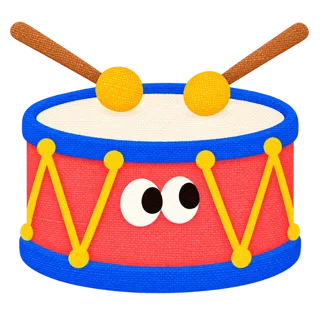 music
 gym
 computer
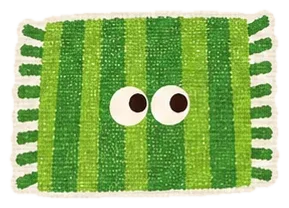 circle time
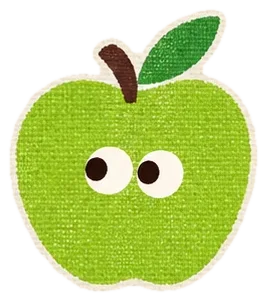 snack
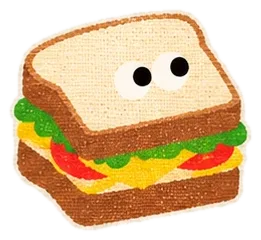 lunch
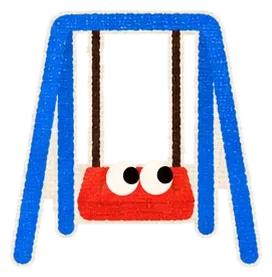 recess
From heysaylo.com/resources/first-then-visual-schedule. Free to print and use; please don’t sell.
Play, break and home cards
Cut along the dashed lines. Use the same card for the same activity everywhere.
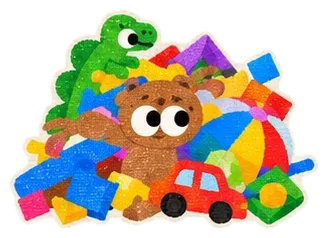 play
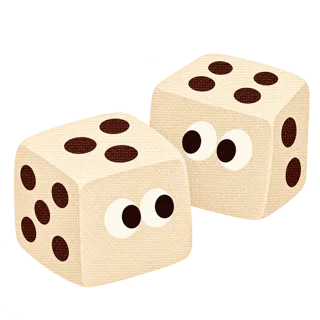 game
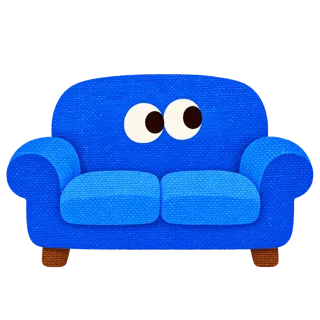 break
 wash hands
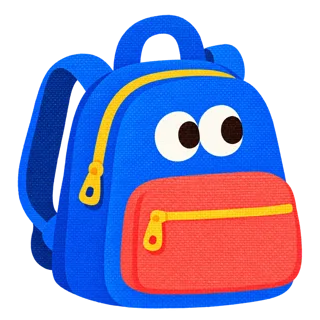 pack up
 bus
 car
 home
 brush teeth
From heysaylo.com/resources/first-then-visual-schedule. Free to print and use; please don’t sell.
My own cards
Draw, write or glue on a photo of the child’s own activities, places and people.
From heysaylo.com/resources/first-then-visual-schedule. Free to print and use; please don’t sell.
How to use the first-then board
- First is now. Put the activity that’s happening now in First. Put what comes right after it in Then.
- Point and say it. Keep the words short: “First book, then swing.” Say it the same way each time.
- Then always happens. When First is finished, take its card off and go straight to Then. Keeping that promise is what lets the child trust the board.
- Let the child choose. Put two cards in the choice boxes and let the child pick what goes in Then, by pointing, looking, reaching or saying it.
- Then is not a prize. It’s often something the child enjoys, but the board shows order. Don’t take Then away to get a child to finish First.
Setting up the schedule strip
- Start small. Two or three steps is plenty at first. Add more as the child gets used to it.
- Look at it together. Go through the schedule before you start, then come back to it at each change.
- The child moves the card. When a step is finished, the child moves its card to Finished, so they can see what’s done and what’s left.
- Show changes ahead of time. If something changes, move or swap the card with the child before it happens. A blank card can become a “change” or “surprise” card.
- Same pictures everywhere. Use the same card for the same activity at home, at school and in therapy. Photos of the child’s real places can be clearer than drawings for some children.
Why visual schedules help
ASHA lists visual schedules among low-tech AAC (augmentative and alternative communication) options. A visual schedule uses objects, photos, drawings, written words or other symbols, in order from top to bottom or left to right, for the steps of a day or of one activity. ASHA says visual schedules can be used to improve understanding of routines and expectations, ease transitions, give chances to make choices, and give a person more control over their daily life (ASHA, AAC).
ASHA’s autism page describes activity schedules and visual supports as cues that help a person complete a sequence of tasks, attend to tasks, move from one task to another, or stay regulated (ASHA, Autism). A large review of autism intervention research found 28 practices with evidence of positive effects for autistic children and youth, and visual supports is one of them (Hume et al., 2021).
Reviews of visual activity schedules point the same way. One review of 31 studies concluded that visual activity schedules can be considered an evidence-based practice for autistic people from preschool through adulthood, especially alongside systematic teaching (Knight et al., 2015). Another review of 23 studies, with autistic people and people with intellectual disabilities, found that activity schedules supported independence and self-management; the result reported most often was more time engaged in activities (Koyama & Wang, 2011). Children differ, so treat the board and strip as one support to try, not a promise.
Using visual supports respectfully
- For predictability, not compliance. A schedule is there so the child knows what’s coming. It’s a support for the child, not a tool to make them obey.
- Include the child. Let them help build the schedule, choose cards and move them. Make room for their own interests.
- Expect off days. If the child is upset or overloaded, a break card or quiet time can go in next. The schedule can change.
- A schedule isn’t a voice. It shows what’s happening, but children who need AAC also need ways to say their own things. Pair it with a core vocabulary board or the child’s AAC system, and see what AAC is.
For more, see speech therapy and autism, AAC goals and modeling, and the free emotions flash cards.
Common questions
What is a first-then board?
A board with two boxes, First and Then. A picture in each shows what’s happening now and what comes next, so the child can see the order instead of only hearing it.
What goes in the Finished column?
The card for each step the child has done. Moving it across shows what’s finished and what’s left. A box, envelope or the back of the page works too.
Is a visual schedule the same as AAC?
ASHA lists visual schedules among low-tech AAC options, but a schedule mostly shows what’s happening. Children who need AAC also need a way to say their own messages, such as a core vocabulary board or a device.
Can families use these at home?
Yes. The home cards cover routines like brushing teeth, bus, home and sleep, and the blank cards are for the child’s own. Using the same cards at home and school keeps things predictable.
Request a resource or send feedback
Want another version of this, or something new? Spotted a mistake? Tell us.
Sources
- ASHA Practice Portal: Augmentative and alternative communication.
- ASHA Practice Portal: Autism.
- Hume, K., Steinbrenner, J. R., Odom, S. L., Morin, K. L., Nowell, S. W., Tomaszewski, B., Szendrey, S., McIntyre, N. S., Yücesoy-Özkan, S., & Savage, M. N. (2021). Evidence-based practices for children, youth, and young adults with autism: Third generation review. Journal of Autism and Developmental Disorders, 51(11), 4013–4032.
- Knight, V., Sartini, E., & Spriggs, A. D. (2015). Evaluating visual activity schedules as evidence-based practice for individuals with autism spectrum disorders. Journal of Autism and Developmental Disorders, 45(1), 157–178.
- Koyama, T., & Wang, H.-T. (2011). Use of activity schedule to promote independent performance of individuals with autism and other intellectual disabilities: A review. Research in Developmental Disabilities, 32(6), 2235–2242.